
VideoAny AI
Seamui: Compare Pictures From One Line, Then Move the Keeper
Seamui starts as a pile of pictures from a single line. GPT Image 2.0, Seedream 5 Pro and Wan 2.7 Image Pro can each hand back a frame in that opening pass, up to 4K. You keep one, and only then does Seedance 2.0 or Kling v3.0 move it. Motion is the second decision.





Which picture engines open a Seamui batch?
Seamui readers arrive wanting more than one frame from the same sentence. The stills come first. Video engines wait until a frame has won.
01
Stills: GPT Image 2.0, Seedream 5 Pro, Wan 2.7 Image Pro
Wan 2.7 Image Pro and Seedream 5 Pro can reach 4K. GPT Image 2.0 is the commercial still option. Run the same Seamui sentence across them and lay the frames side by side before any camera move is spent.
02
Motion after the pick: Seedance 2.0 and Kling v3.0
Seedance 2.0 can hold up to 9 reference images and 3 reference videos, so the chosen Seamui frame can lock the product. Kling v3.0 covers 4–15 seconds with sound when the still needs a voice.
03
Other takes once the frame exists
Google Veo 3.1 is there for a polished 8-second pass with sound. MiniMax H3 is the quick move. Wan 3.0 can stretch one take to 30 seconds. None of them replace the opening still pass.
What limits shape a Seamui still-to-clip pass?
A Seamui batch is only useful if the second step can keep the frame you picked. These are the live limits, not a brochure.
01
How long the move can run
Clips span 2 to 30 seconds. Seedance 2.0 covers 4–15 seconds at 480p, 720p, 1080p. Wan 3.0 reaches 1080p.
02
Keeping the chosen frame honest
Hand Seedance 2.0 the winning Seamui picture plus up to 9 extra images. Wan 3.0 accepts up to 10 reference images. First-and-last-frame mode pins where the move starts and where it stops.

03
Shape and soundtrack
16:9, 9:16, 1:1, 4:3, 3:4, 21:9, plus an adaptive option on Seedance 2.0. A Seamui still can leave as a vertical, a square or a wide move. Sound is available on Seedance 2.0, Google Veo 3.1, Kling v3.0, MiniMax H3 and Wan 3.0.
Where does a Seamui still batch earn its keep?
People type Seamui when they want options on screen before they commit a camera. Three jobs fit that order.
What does the second Seamui step cost?
The Seamui still pass should stay cheaper than the move. Every figure below is the live credit cost of that clip.

Moves you can throw away
Six seconds on Grok Imagine is 6 credits. Five seconds of MiniMax H3 is 20. Five seconds of Seedance 2.0 Fast at 720p is 60. Use them after the still is chosen, not before.
Still waiting for a move

The keeper, priced as a keeper
Five seconds of Seedance 2.0 is 70 credits at 720p and 175 at 1080p. A 15-second 1080p shot is 525. 8 seconds of Google Veo 3.1 at 1080p with sound is 40 credits. 30 seconds of Wan 3.0 at 1080p is 360.
A keeper from the still set

The balance under the batch
Bought credits do not expire, paid exports have no watermark, and commercial use is allowed. The smallest pack is $12.99 for 350 credits, about 17 five-second MiniMax H3 moves or 8 Google Veo 3.1 1080p clips. A monthly plan starts at $19.00.
Board of candidate stills
How do you brief a Seamui still so the move survives?
A Seamui prompt has to describe a picture that can later become a shot. Three habits keep the keeper usable.
01
Describe the object before the camera
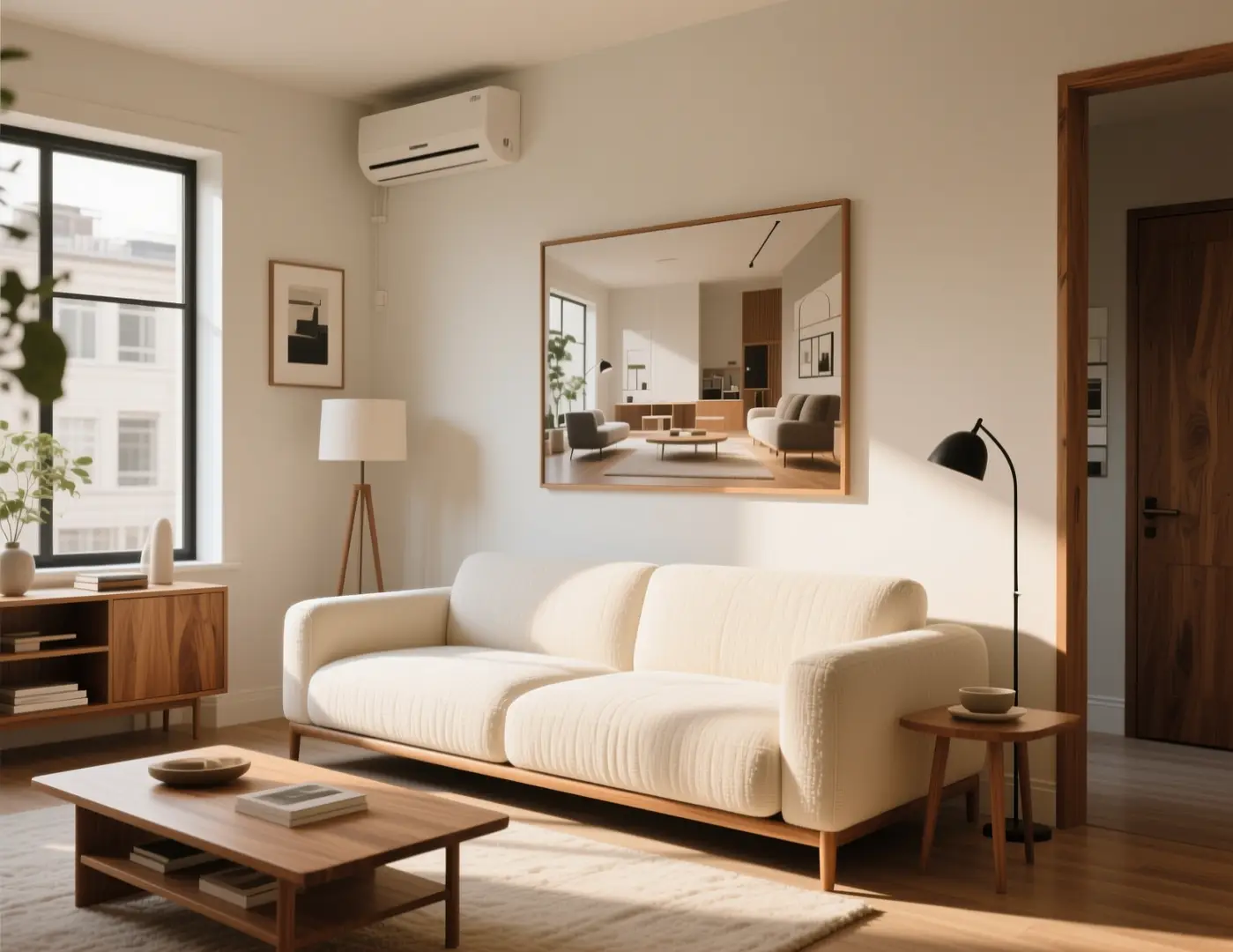
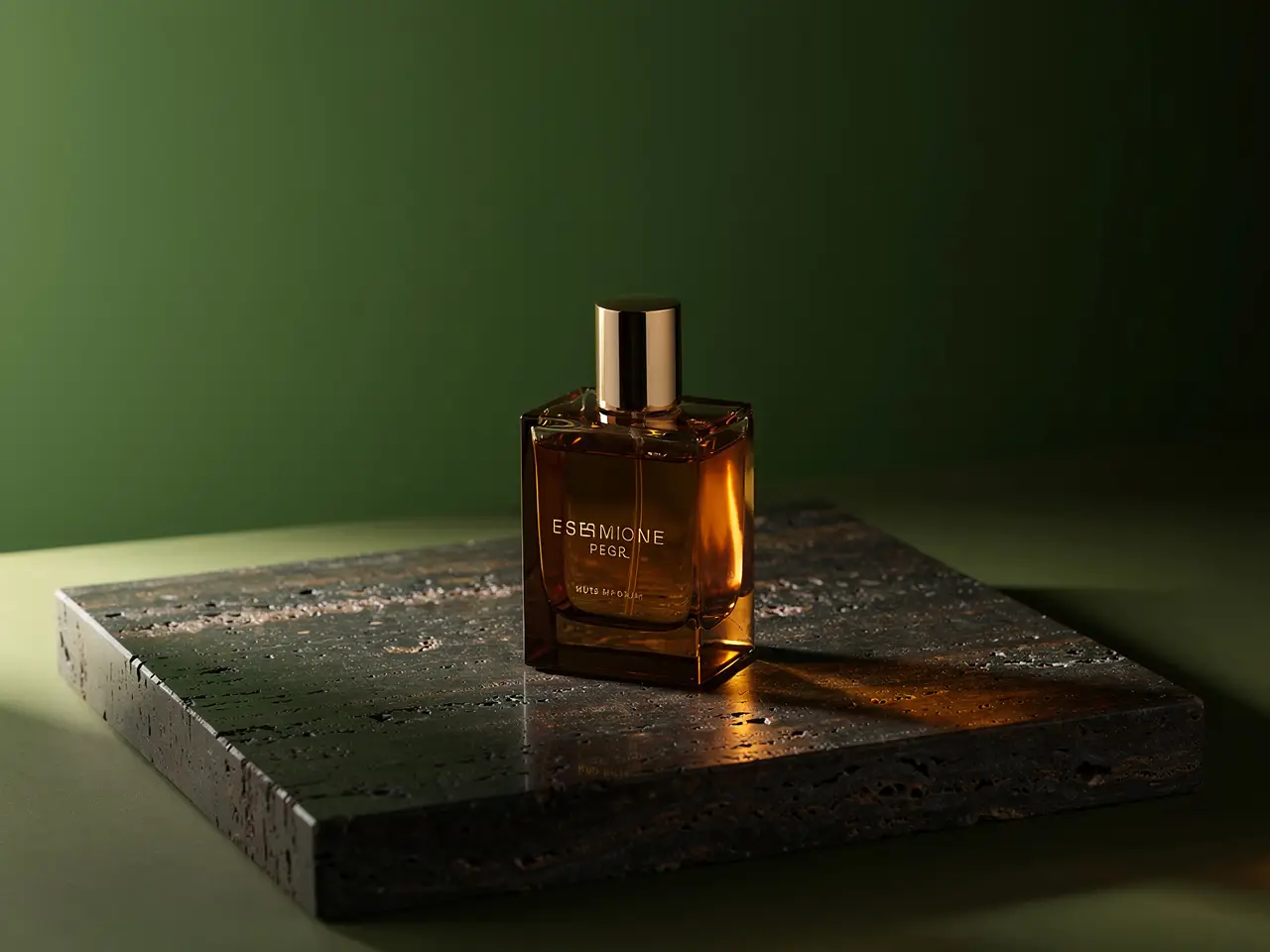
Name the product, the surface and the light. "Amber bottle, wet stone, one hard side light" gives a Seamui batch something to compare. "Cool ad" does not.
02
Ask for differences, not five copies
Change angle, crop or backdrop between Seamui stills. Identical frames waste the comparison.
03
Lock the winner, then spend
A 5-second Seedance 2.0 move is 70 credits at 720p and 175 at 1080p. Find the Seamui frame at the cheaper still, then rerender only that move.
Questions people ask while comparing Seamui stills
Short answers about cost, rights and the order of operations.
Order of work
Stills, a choice, then motion. That is the Seamui sequence.
Can I try a still before I pay for a plan?
+−
New accounts receive free credits to test supported models. A card is not required to claim them.
Do I have to animate every still?
+−
No. Generate the Seamui set, keep one, and spend clip credits only on that frame.
Rights
Watermarks and commercial use on the move you keep.
Will the finished move carry a watermark?
+−
Paid credit packs export without a watermark and include commercial use.
How large can the still be?
+−
Images up to 4K. Video up to 1080p.
Engines
What is actually available for this pass.
Which engines can I switch between?
+−
GPT Image 2.0, Seedream 5 Pro and Wan 2.7 Image Pro for stills. Seedance 2.0, Google Veo 3.1, Kling v3.0, MiniMax H3 and Wan 3.0 for the move.
Can the move start from my own photo?
+−
Yes. Upload it as the keeper and use image-to-video. Reference images keep the product consistent.
Three moves in a Seamui session
From one sentence to a chosen frame to a clip.
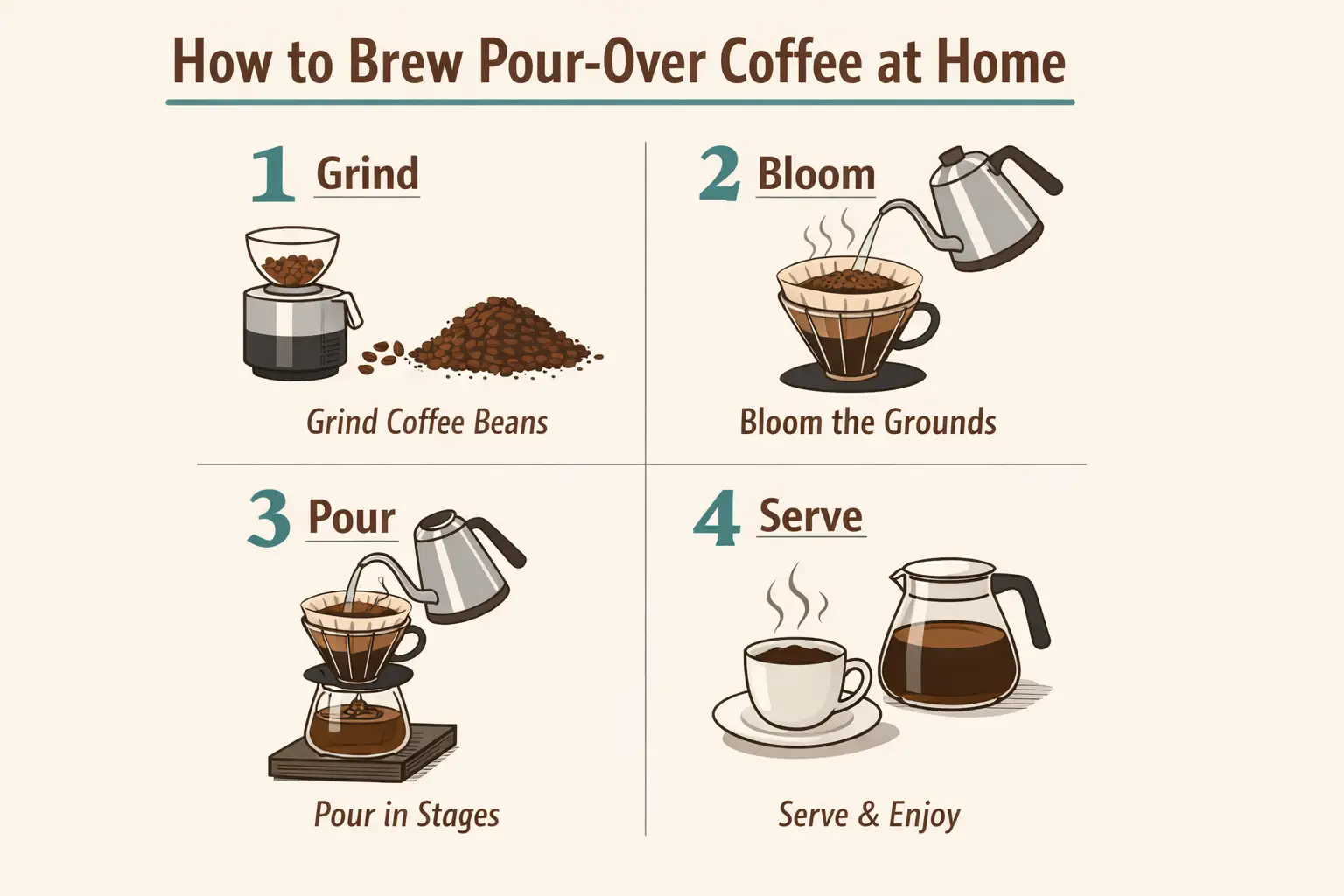
Step 1: Generate the set
Submit one Seamui prompt and collect the stills. Do not open a timeline yet.
Step 2: Mark the keeper
Discard frames with a broken label, a melted edge or the wrong crop.
Step 3: Move only that frame
Choose the video engine, duration and shape. The credit total updates before you render the Seamui keeper.
After the first Seamui keeper moves
One accepted frame can feed a series. The series still starts from stills.
Cut the move down
Trim the Seamui clip in the video editor, or extend the take if the action needs another beat.
Rebuild the still, not the whole film
Send a note back to Wan 2.7 Image Pro, replace the keeper, and animate again.
Ship the same keeper in three shapes
16:9, 9:16, 1:1, 4:3, 3:4, 21:9. The Seamui frame stays. The crop changes.

VideoAny AI
Render the stills
One accepted frame can feed a series. The series still starts from stills.