Existing adult photographic reference
 VideoAny
VideoAny AI
An nsfw photo editor ai turns a single reference still into a precise new frame without rebuilding the composition from scratch. VideoAny’s image-to-image workbench accepts an uploaded adult photograph and a short text prompt, then uses Seedream 5 Pro to deliver a controlled rewrite that keeps the pose, crop, and identity cues you mark as essential. The credit cost is shown before you generate, so every revision stays predictable. Whether you need a wardrobe swap, a lighting shift, or a drawn finish, this nsfw photo editor ai helps you move from a locked reference to a publishable variant in one focused session.
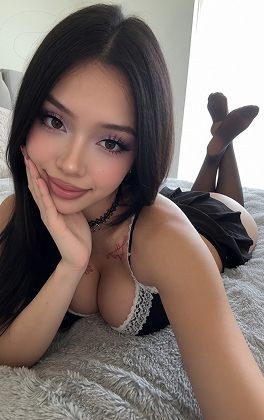
Every successful rewrite starts with the right model and a clean reference. The workbench pairs Seedream 5 Pro with aspect-ratio and resolution controls that respect the uploaded portrait, so you spend less time cropping and more time refining the adult subject.
01
Seedream 5 Pro is an image model configured in VideoAny and the recommended engine for adult still rewrites. When you open the image-to-image workbench, select it from the model picker before you upload a reference. This nsfw photo editor ai reads the reference photograph and your text prompt together, preserving the subject’s pose and key contours while applying the changes you describe. Because the model is tuned for photographic fidelity, it reproduces skin texture, fabric drape, and shadow fall with enough precision to keep the result believable. Switching to a different model may alter how tightly the output follows the reference, so lock Seedream 5 Pro early and treat it as the foundation of your editing session.
02
The image workbench accepts a text prompt alongside your uploaded adult photograph, and the aspect-ratio control should mirror the source file’s dimensions. If you feed a vertical portrait into an nsfw photo editor ai but set a square ratio, the model may stretch or crop the subject in ways that break the composition you wanted to keep. Check the reference resolution before you generate, then choose the matching ratio so the output frame stays consistent with the original pose. This small step prevents wasted credits on distorted results and keeps the subject’s proportions intact across every revision.
03
After the first output appears, inspect it against the reference photograph before you spend more credits. An nsfw photo editor ai works best when you treat each generation as a deliberate step: note what stayed faithful and what drifted, then adjust only the prompt clause that needs correction. The credit cost is shown before you generate, so you can decide whether a small tweak is worth another run. If the pose held but the clothing detail softened, sharpen that instruction in the text prompt and leave the rest alone. Iterating with a single variable change keeps the session efficient and the results consistent.
The workbench gives you three levers—reference selection, keep-and-change prompting, and neighboring-frame reuse—that determine how closely the result tracks the source. Understanding each one helps you move from a rough idea to a finished still without guesswork.
01
The reference gallery contains existing adult photographic images that serve as starting points, not outputs from this page. When you use an nsfw photo editor ai, pick a reference where the subject’s posture, camera angle, and distance already match your target frame. The model will carry those structural choices into the new still, so a reference with the right eye line and shoulder turn saves you from rewriting spatial instructions in the prompt. Existing collection images are illustrative references that show the kind of composition the workbench expects, and selecting one with a clean, unobstructed adult subject gives the model the strongest signal to follow.
Use the existing adult reference to explore lighting and framing.Open the image-to-image workbench and upload your first adult reference still.
02
The image workbench accepts a text prompt that works best when you split it into a short keep list and a longer change list. Tell the nsfw photo editor ai exactly which elements—hairstyle, jewelry, tattoo placement—must survive the rewrite, then describe the clothing, background, or lighting you want to alter. This keep-and-change structure prevents the model from drifting on details you value while giving it clear permission to transform everything else. A prompt that says “keep the pose and necklace, change the top to sheer black lace and shift the light to warm sunset” produces a more controlled result than a vague mood description.
Use the existing adult reference to explore lighting and framing.Open the image-to-image workbench and upload your first adult reference still.
03
Once you have one successful output, use it as the reference for the next frame in the same sequence. An nsfw photo editor ai can chain rewrites so that a lookbook series or a lighting study shares consistent subject proportions and camera position. Upload the previous result, adjust only the prompt clause that defines the next variation, and generate again. This approach keeps the subject’s identity stable across multiple stills and reduces the credit cost of re-establishing pose and framing for every new image. The workbench treats each generation as a fresh image-to-image task, so you can build a coherent set without starting over.
Use the existing adult reference to explore lighting and framing.Open the image-to-image workbench and upload your first adult reference still.
From wardrobe catalogs to dramatic relighting and stylized finishes, the same keep-and-change method adapts to different creative goals. These three scenarios show how a single reference can serve multiple editorial needs.
The reference gallery contains existing adult photographic images that illustrate the kind of composition and crop the workbench expects. Each visual suggests a different creative decision you can make before you generate.
Illustrative references. Not verified VideoAny input/output pairs.
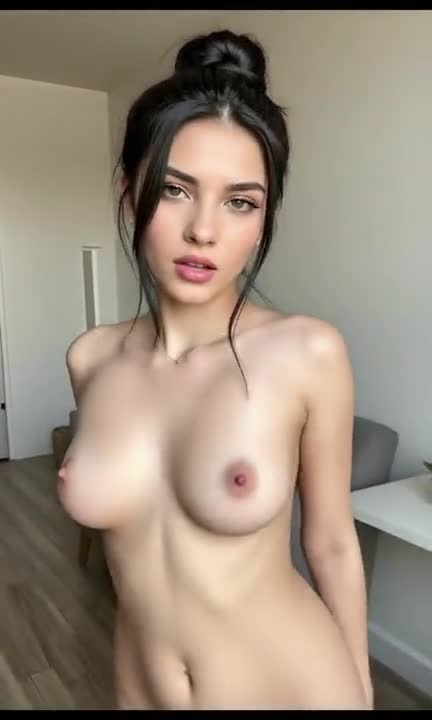
An existing adult photographic reference with a close crop shows how an nsfw photo editor ai can maintain a tight frame around the subject when you upload a similarly composed source. The model reads the reference’s boundaries and reproduces the subject-to-edge relationship in the output, so a head-and-shoulders crop stays head-and-shoulders. Before you generate, check that your uploaded photograph fills the frame the same way, then write a prompt that focuses on detail changes—expression, makeup, collar—rather than asking the model to invent new background space. This keeps the result intimate and avoids the stretched-edge artifacts that appear when the crop and prompt disagree.
Existing visual reference for composition and lighting; not a verified output from this page.
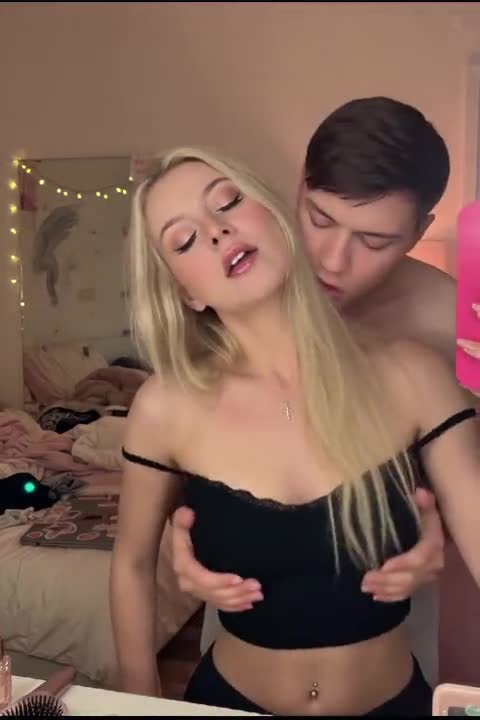
A full-body existing adult photographic reference demonstrates the framing you need for a lookbook output. When you use an nsfw photo editor ai to produce a fashion still, upload a reference that shows the subject from head to toe with enough surrounding space to hold the entire outfit. The model will keep that full-body composition while you change the clothing, shoes, and accessories in the prompt. Existing collection images are illustrative references that confirm the workbench can handle this wider crop, and matching your upload to that format ensures the generated still works as a standalone editorial image.
Existing visual reference for composition and lighting; not a verified output from this page.
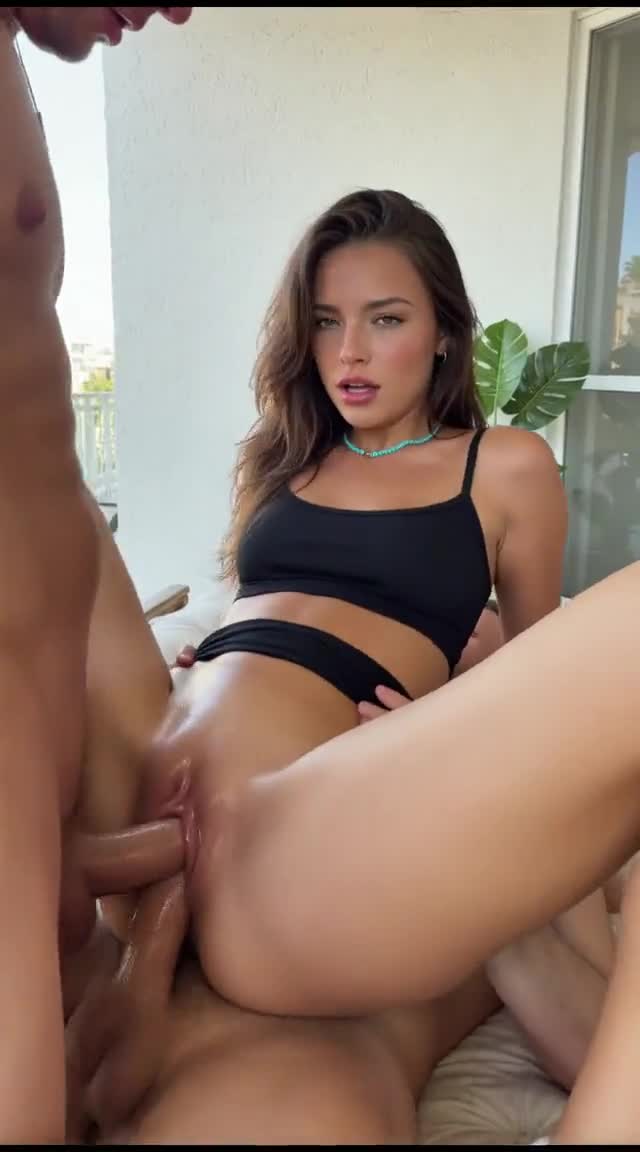
An existing adult photographic reference used as a one-fact board shows the value of limiting each generation to a single alteration. When you upload a reference and ask an nsfw photo editor ai to change only the background color or only the lip shade, the model can devote its full attention to that one instruction. The result is a clean A/B comparison where every other element stays locked. This approach is ideal for client reviews or personal preference checks: generate three variants that differ by one fact each, then pick the winner before moving on to the next detail.
Existing visual reference for composition and lighting; not a verified output from this page.
Small adjustments to how you prepare the reference and write the prompt have an outsized effect on fidelity. These three habits help you get a usable result in fewer generations.
01
Remove background clutter from your reference photograph before you feed it to an nsfw photo editor ai. If the uploaded file includes furniture, other people, or busy textures near the frame edge, the model may try to reproduce those elements in the output, diluting the focus on the adult subject. Crop tightly to the person you want to keep, leaving just enough surrounding space to hold the intended composition. A clean reference gives the model a clear silhouette to follow and reduces the chance that unwanted objects appear in the generated still.
02
An nsfw photo editor ai responds best when you protect only a few essential traits and give it freedom on everything else. Limit your keep list to three or four elements—pose, facial expression, one accessory—and let the change list run longer with specific fabric, color, and lighting instructions. If you try to lock ten details, the model may struggle to satisfy all of them and produce a muddled result. A short keep list acts as a guardrail, not a cage, and lets the model apply your creative changes with more confidence.
03
Place the reference photograph and the generated still side by side on your screen before you accept or reject the output. An nsfw photo editor ai can introduce subtle shifts in hand position, jewelry placement, or shadow direction that are easy to miss in isolation. Toggle between the two images and check each element on your keep list. If one detail drifted, adjust only that clause in the prompt and regenerate. This side-by-side inspection turns a subjective impression into a checklist and helps you reach a publishable still in fewer iterations.
Creator workflow notes
Working habits for a referenced adult-still rewrite, not user reviews
These notes describe common ways to run a keep-and-change pass on an authorized adult still. They are not user reviews, ratings, or promises about a specific result.
Wardrobe rewrite
Clothes workflow
Keep face, pose, and camera height. Change only the garment color or cut. If a new accessory appears, the change list was too broad.
Scene rewrite
Background workflow
Keep face, garment, and crop. Change only the wall or venue behind the person. Inspect floor contact against the upload.
Light rewrite
Lighting workflow
Keep pose and staging. Name the new light direction in one clause. Check eyes, fabric sheen, and shadows before you accept the plate.
Quick answers about reference files, prompt structure, result evaluation, and credit use help you start each generation with a clear expectation.
The image-to-image workbench needs a clear adult photograph and a focused text prompt. An nsfw photo editor ai reads both inputs together, so the quality of each directly shapes the output. Upload a well-lit, high-resolution file where the subject fills most of the frame, and write a prompt that separates what must stay from what should change. The credit cost is shown before you generate, so you can experiment with different prompt lengths without surprise charges.
Use a standard JPEG or PNG adult photograph with clear focus and even lighting. The image workbench accepts a text prompt alongside the uploaded file, so the reference should show the subject unobstructed and cropped to the intended composition. Avoid heavily compressed or low-resolution sources, as they can introduce artifacts that the model may amplify in the output.
No. The reference photograph already carries the pose, framing, and subject identity. Your prompt only needs to specify what should change—clothing, lighting, background, or rendering style—and confirm the few elements you want to keep. Writing a short keep-and-change list is more effective than repeating every visible detail.
Fidelity checks are faster when you compare the output against a specific keep list rather than a mental image. An nsfw photo editor ai will sometimes introduce small variations in areas you did not explicitly lock, and deciding whether those variations are acceptable depends on your use case.
If the prompt describes a background or prop that the reference does not contain, the model may generate it to satisfy the text instruction. To avoid invented objects, keep the change list focused on the subject and either omit background instructions or describe the existing background explicitly. The model treats the reference and prompt as equal partners, so a vague background cue can trigger new elements.
The current image model configuration includes NSFW image generation and reads the entire reference as a unified scene. You cannot mask a region, but you can achieve a similar effect by writing a prompt that names only the area you want to change—for example, “keep the face and pose, change the lower half to a leather skirt and boots.” The model will attempt to preserve the unmentioned areas while applying the described change.
Understanding the cost structure and knowing when to switch tools keeps an nsfw photo editor ai session productive. The workbench shows the credit cost before each generation, and the same credit system applies whether you are rewriting a still or moving to a different workbench.
The credit cost is shown before you generate and reflects the image-to-image task you configure. Costs may differ from a text-to-image generation because the model processes both the uploaded reference and the text prompt. Check the displayed cost before each run to confirm it fits your budget for that revision.
Switch to VideoAny’s text-to-image workbench and start a fresh generation from a text prompt alone. The image-to-image workbench is designed to carry the reference’s composition forward, so if you want a completely different pose, setting, or subject, a text-to-image task gives you a blank canvas. You can return to the nsfw photo editor ai later with a new reference when you are ready to refine a specific frame.
Follow these three steps to move from an uploaded reference to a finished adult still. Each step uses only the controls available in the image-to-image workbench.
Open the image-to-image workbench and select Seedream 5 Pro from the model picker. Upload a single adult photograph that you have permission to edit, then crop the preview so the subject fills the frame with minimal background distraction. An nsfw photo editor ai uses this crop as the composition boundary, so remove anything you do not want to see in the output. The reference gallery contains existing adult photographic images that show the kind of tight, subject-focused crop that produces the most consistent results. Once the crop is set, confirm the aspect ratio matches the uploaded portrait before you write the prompt.
In the text prompt field, write a short keep clause that names the pose, facial expression, and one or two accessories you want to preserve. Follow it with a longer change clause that describes the new clothing, lighting, background, or rendering style. An nsfw photo editor ai reads both clauses against the reference and applies the changes while respecting the keep list. Before you generate, verify that Seedream 5 Pro is selected, the aspect ratio matches the reference, and the resolution is set to your output needs. The credit cost is shown before you generate, so review it and confirm.
When the output appears, place it next to the reference and check each item on your keep list. If the pose held but the clothing color shifted, edit only the color word in the change clause and regenerate. An nsfw photo editor ai rewards single-variable iteration: changing one word at a time keeps the session predictable and prevents new errors from appearing in areas that were already correct. Repeat the inspect-and-adjust loop until the still meets your bar, then save the result and move to the next frame or export the finished image.
Before you close the workbench, lock in the decisions that will make your next session faster. A prepared brief, a credit cap, and a clear fidelity standard turn a one-off edit into a repeatable workflow.
Write down the exact keep-and-change prompt that produced your best result, including the specific fabric names, color terms, and lighting directions you used. An nsfw photo editor ai reproduces outcomes more reliably when you reuse precise language rather than mood words like “sexy” or “dramatic.” Save the prompt alongside the reference file name so you can reload both in a future session and pick up where you left off. This written brief also helps you brief collaborators or clients who need to understand exactly what the model was instructed to do.
Decide how many credits you are willing to spend on a single reference before you start generating. The credit cost is shown before you generate, so multiply that number by your retry limit to set a session cap. An nsfw photo editor ai can produce a usable still in one or two generations when the reference is clean and the prompt is specific, but complex lighting or wardrobe changes may need more attempts. Setting a cap before you begin prevents overspending on a file that may need a different reference or a revised approach.
Define what “close enough” means for this project before you evaluate any output. For a lookbook still, fidelity might mean the garment reads correctly and the pose is intact; for a lighting study, it might mean the shadow direction and color temperature match the brief. An nsfw photo editor ai will always introduce some variation, and a pre-set bar stops you from chasing perfect pixel-level matches that the model is not designed to deliver. Write your fidelity criteria in the session notes, check each output against them, and accept the first result that clears the bar.
VideoAny AI
Open the image-to-image workbench and upload your first adult reference still.
Before you close the workbench, lock in the decisions that will make your next session faster. A prepared brief, a credit cap, and a clear fidelity standard turn a one-off edit into a repeatable workflow.