
VideoAny AI
Background remover that rewrites the scene around your subject
This background remover is a prompt-led image-to-image workbench. Upload a photo you are authorized to edit, keep the subject in the notes, then generate a new still with a different scene. It is not text-to-image, not a transparent PNG cutout, and not a mask desk. The preferred model on this route is Seedream 5.0. The credit cost for the selected model and options appears before you submit.





Refine your visuals with our NSFW Photo Editor for adult-oriented photo adjustments.
Create and modify images using the GPT Image 2 Generator.
Which model and crop choices keep a background remover pass honest to the upload?
This route locks the background-remover workbench and prefers Seedream 5.0. You still choose aspect ratio and, when the model shows it, resolution. Those choices sit beside the uploaded photo and the keep-and-change notes. The strip below reuses the image-to-image template logos; availability follows the locked selector, not every logo.
01
Keep Seedream 5.0 as the preferred model for a scene rewrite
A photographic source usually wants a model that stays in a photographic family. This background remover prefers Seedream 5.0 so the upload remains the source of the subject, crop, and lighting direction. Switching away, when the selector allows it, can change how much of the person or object survives, and it can change the displayed credit cost. Read both before you generate.
02
Match aspect ratio to the uploaded photo, not to a later crop
If you need the same frame as the photo, match that ratio so the generator is not forced to invent edges around the subject. If the destination is a story frame or a banner, say so and accept that the scene will be reframed. A mismatch can stretch a face or invent extra space around the object. A ratio setting is not a substitute for an upload, and it is not a cutout export.
03
Treat resolution as a review choice, not a cutout guarantee
When the selected model offers resolution, pick the size you need to inspect seams, hair, and edges. A larger still makes errors easier to see; it does not lock the original pixel grid and it does not export an alpha channel. Recheck the displayed credit cost after you change this option. Higher output is a review and budget decision, not a claim that the subject was lifted as a layer.
What can a background remover change when you upload a source photo?
A background remover on this route still needs a reference photo. You decide which parts of the subject must remain, which scene notes may move, and how far the new still can drift. The pictures below are illustrative image-to-image template stills, not before-and-after proof of a scene rewrite, and not verified cutouts.
01
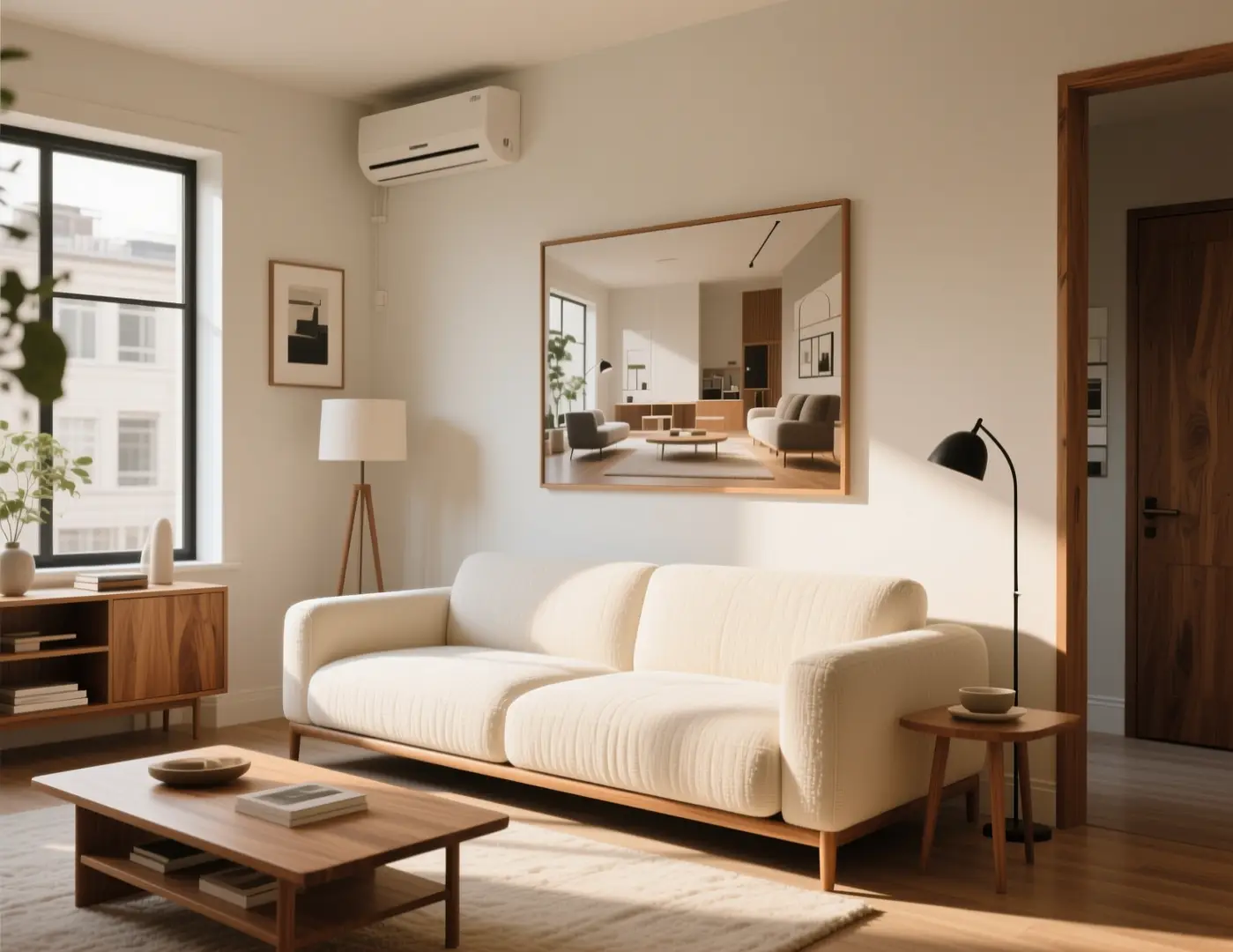
Choose a reference that already holds the subject and camera height
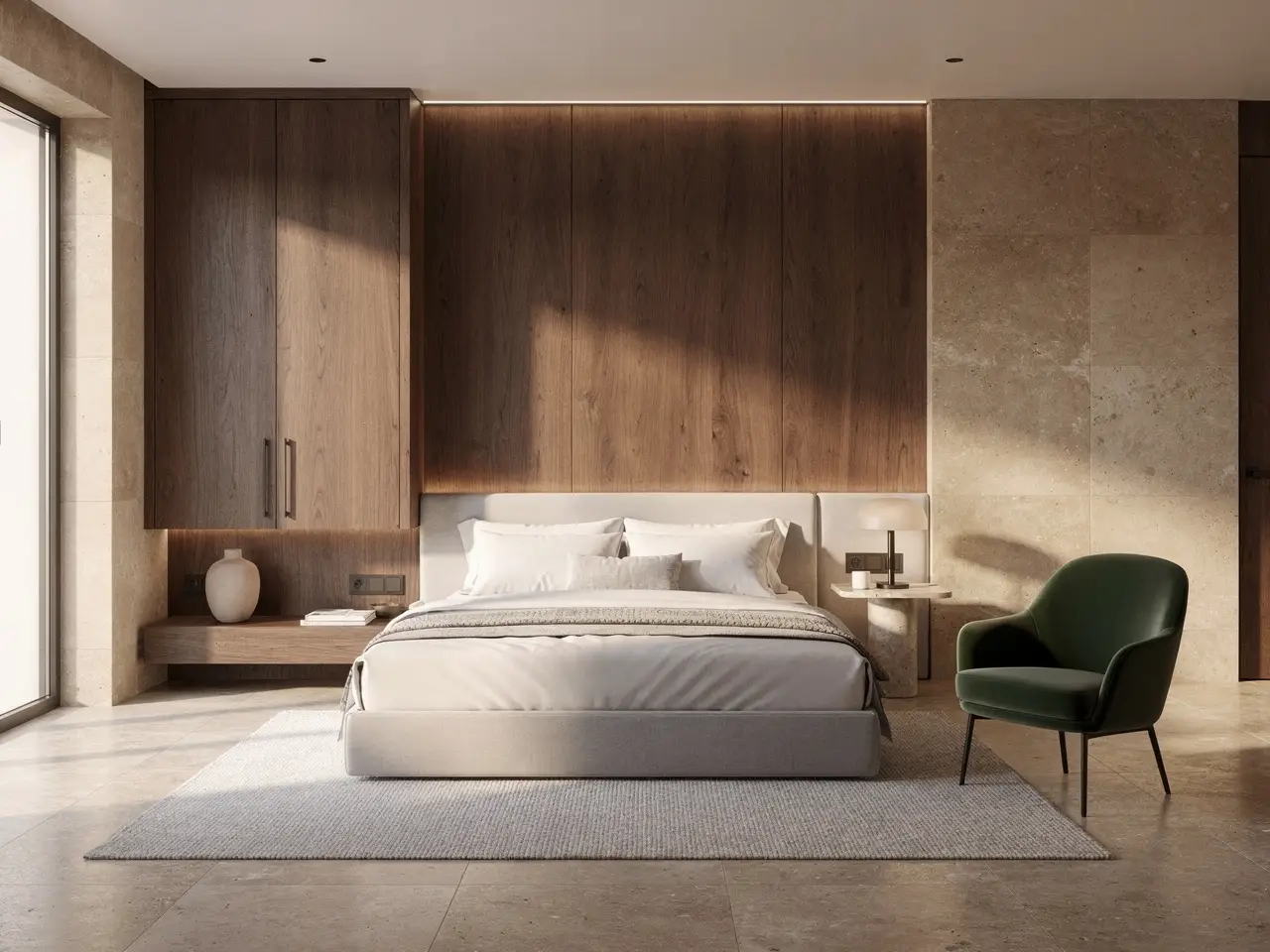
Pick a still where the person or object, camera height, and main masses are already right. A sharp photo with a readable face or silhouette works better than a busy collage or a tiny thumbnail. If the source crop is wrong, recrop it first. Prompt notes cannot invent a subject the upload never held. The room still here is an illustrative template frame for keep-and-change discipline, not a cutout pair.
Keep the adult subject's face, crop, and camera height from the uploaded photo. Replace only the scene: a quieter studio wall, same lighting direction, no extra people, no new furniture in front of the subject.Replace the scene from an uploaded photo
02
State what must stay on the subject and what may change in the scene
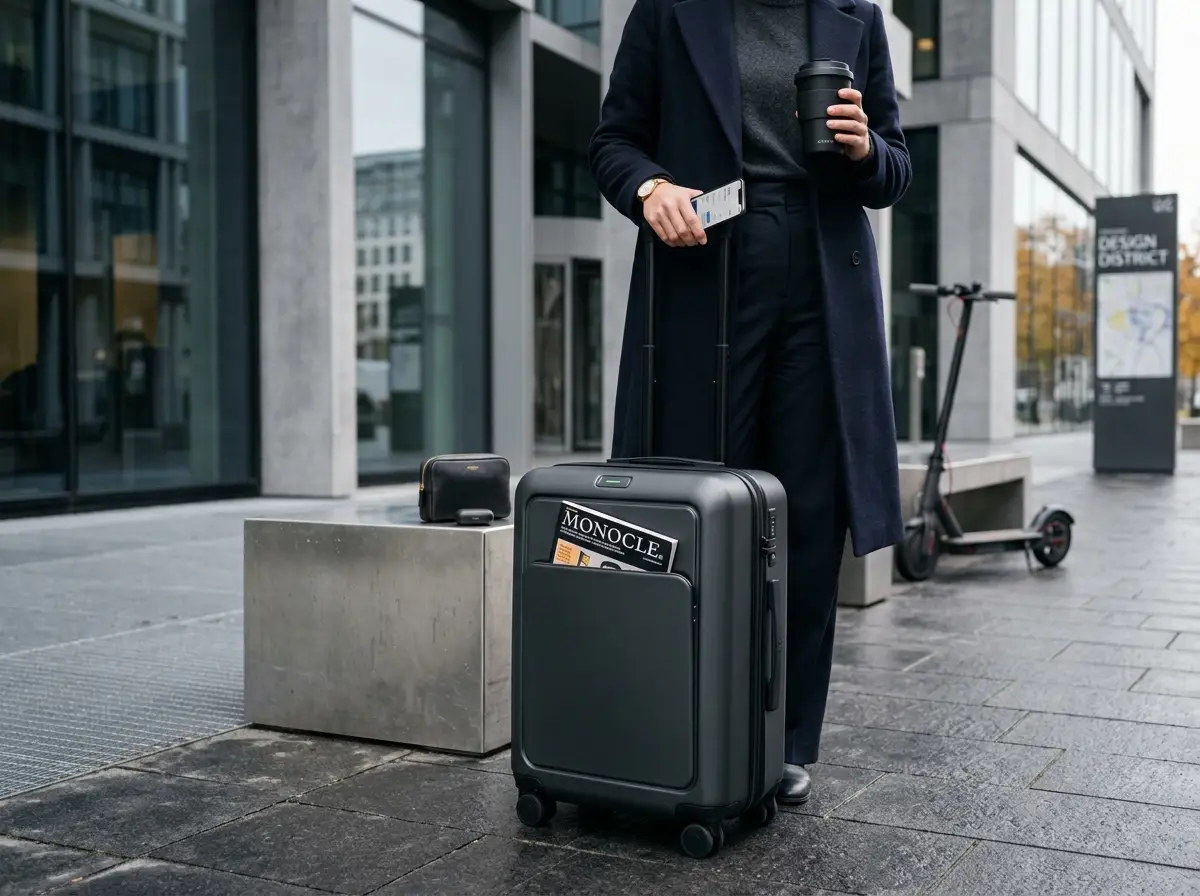
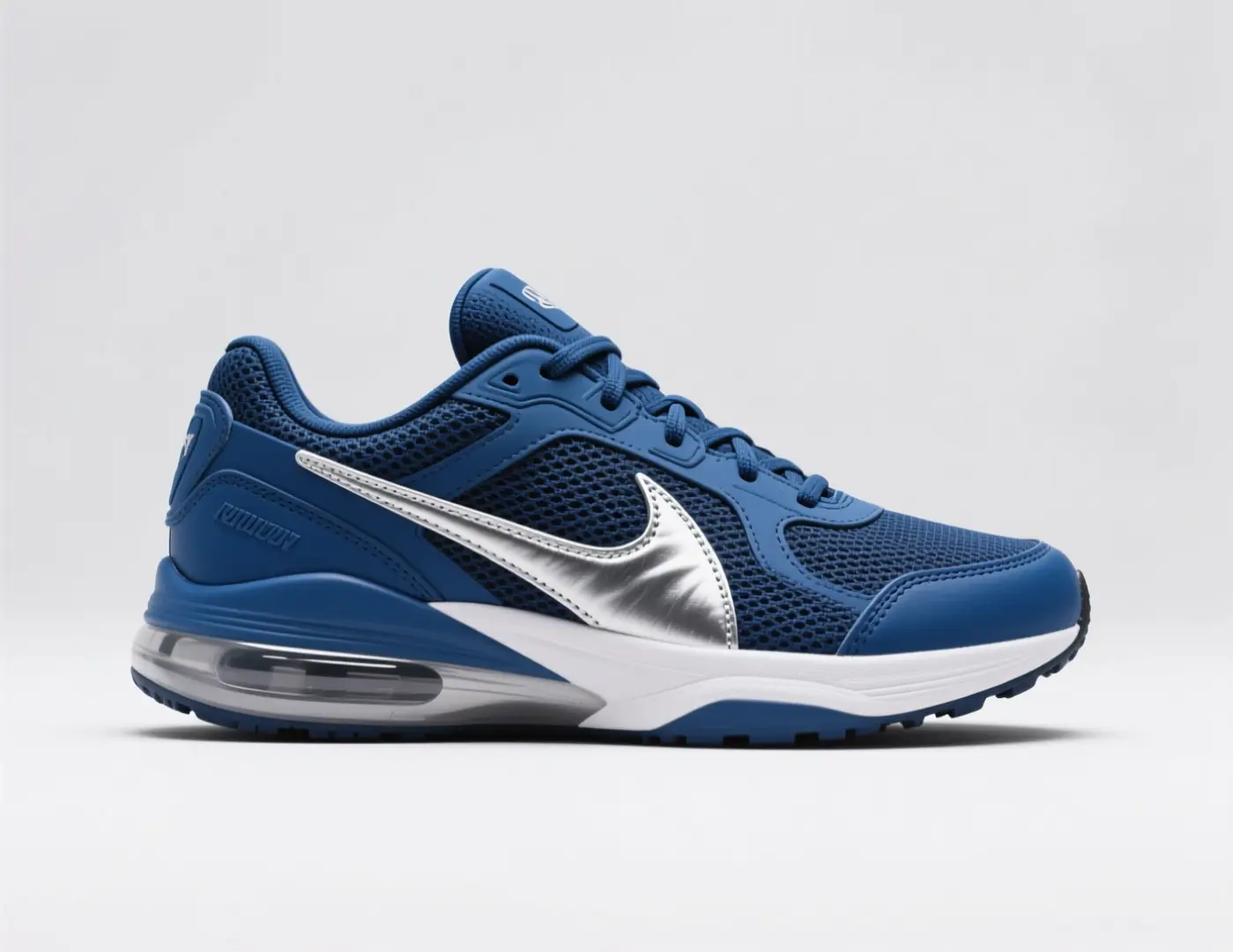
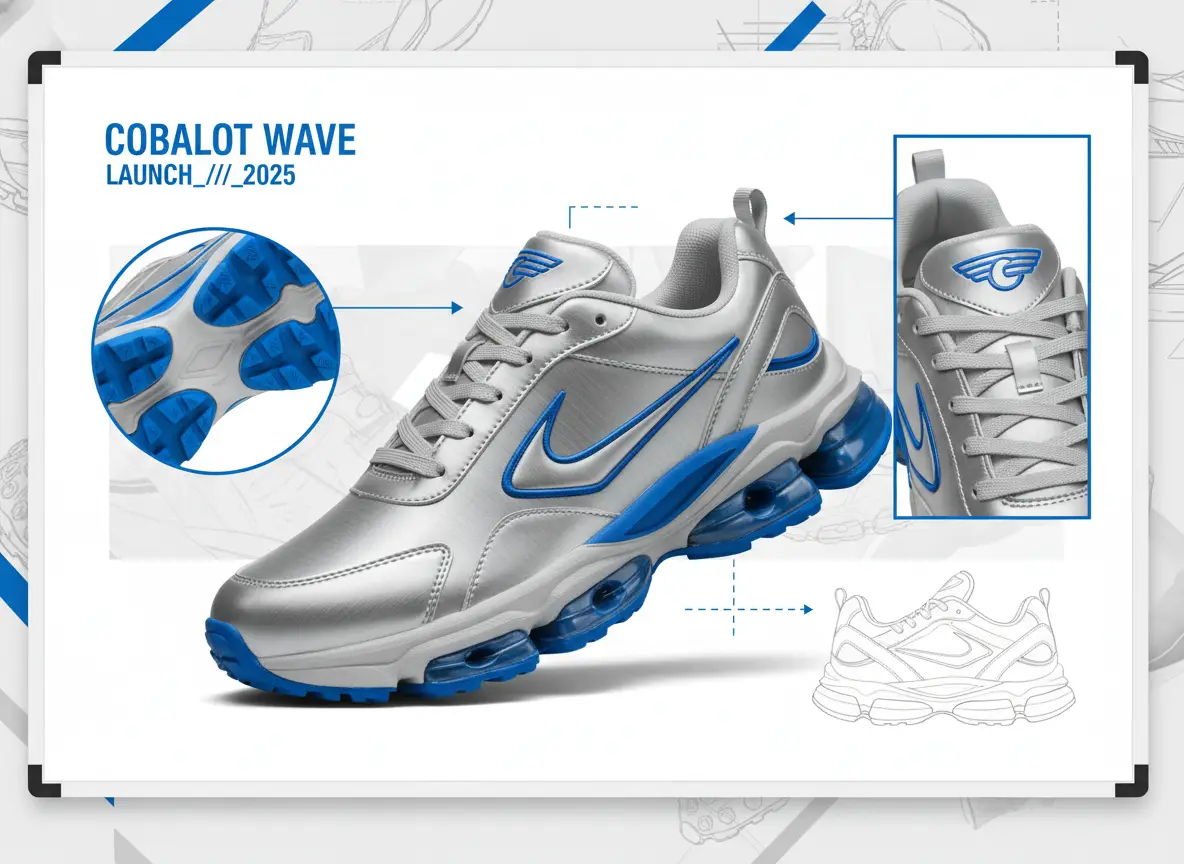
Write two short lists. Keep: face, product silhouette, crop, or camera height. Change: wall, surface, or venue behind the subject. Mixing those into one mood sentence hides why a result drifted. After each run, check the keep list first. If a keep item moved, try a simpler scene list instead of adding more adjectives. The sneaker still is an illustrative template source for a one-fact scene change.
From the uploaded photo, retain the subject, silhouette, and three-quarter crop. Request a background remover scene change only: a clean studio field, same lighting, no extra logos, no new objects in front of the subject.Replace the scene from an uploaded photo
03
Rewrite a neighboring scene instead of starting from a blank page
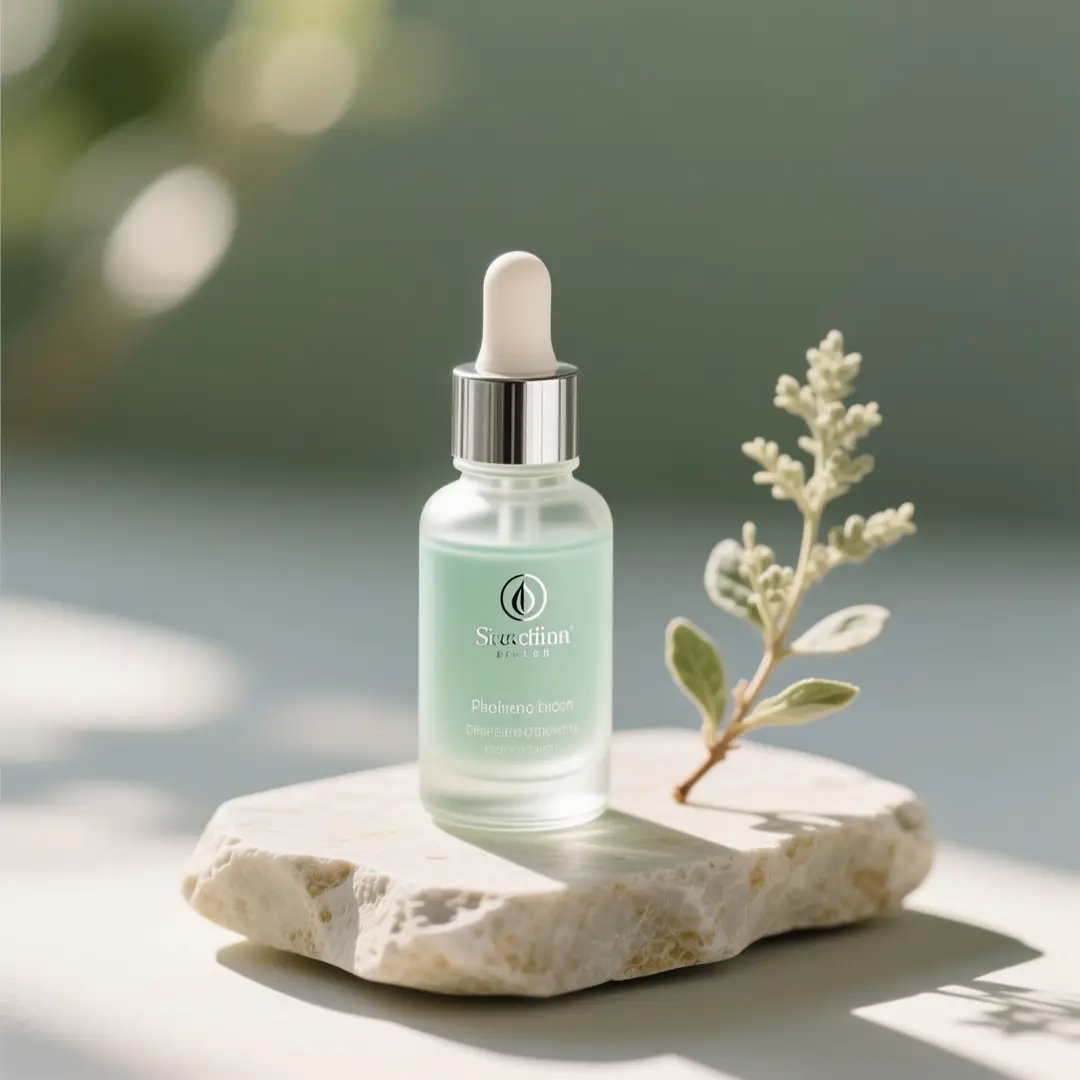
Use this path when the photo already exists and you need a neighboring still with a different backdrop, not a new invention and not a transparent export. You are not inventing the subject from a paragraph. That blank-page job belongs on the text-to-image generator. Compare every output to the file you uploaded. The bottle still is an illustrative template frame, not proof of a scene rewrite.
Keep the bottle, cap, scale, and front-facing crop from the upload. Do not invent extra label lettering. Run a background remover scene pass: a quieter slate surface, same lighting, no extra objects in front of the bottle.Replace the scene from an uploaded photo
When does a background remover rewrite help more than generating a new still?
Use this background remover when the photo already exists and you need a neighboring scene around the same subject. Select a scenario to see the kind of source this workbench is for. A text prompt alone will not open this workbench. The stills are illustrative template frames, not verified cutout pairs.
What source types help a background remover keep the subject while changing the scene?
These frames come from VideoAny's model-page libraries and the shared image-to-image template. Treat them as sample sources you might study before you upload your own photo to this background remover workbench, not as proven before-and-after case studies and not as verified cutout proof.
Illustrative references. Not verified VideoAny input/output pairs.
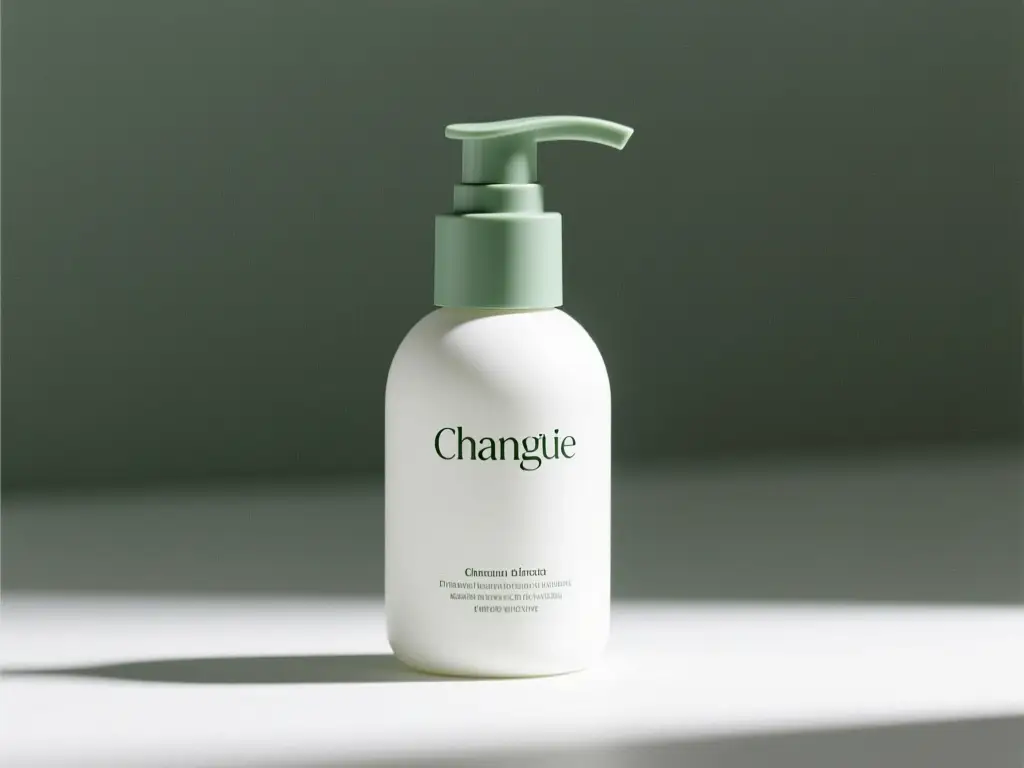
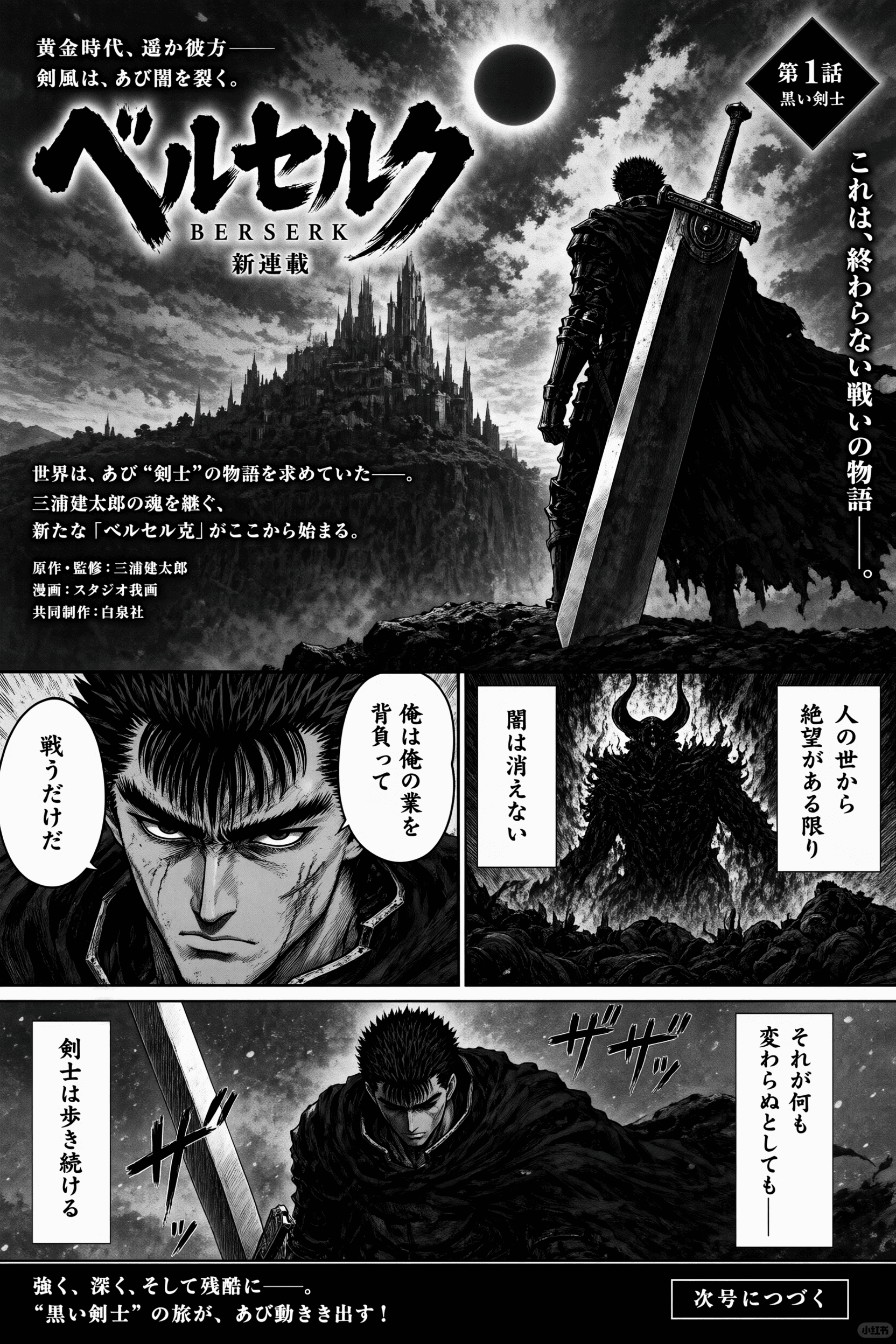
Reference-guided crop
A crop that already shows the subject is a better source than a mood collage. Crop to the person or object before you ask for a new scene. Extra people in the frame will be interpreted. This pack board is an illustrative template still, not a cutout pair.
Illustrative source for a crop-aware rewrite. Not a verified background remover pair.
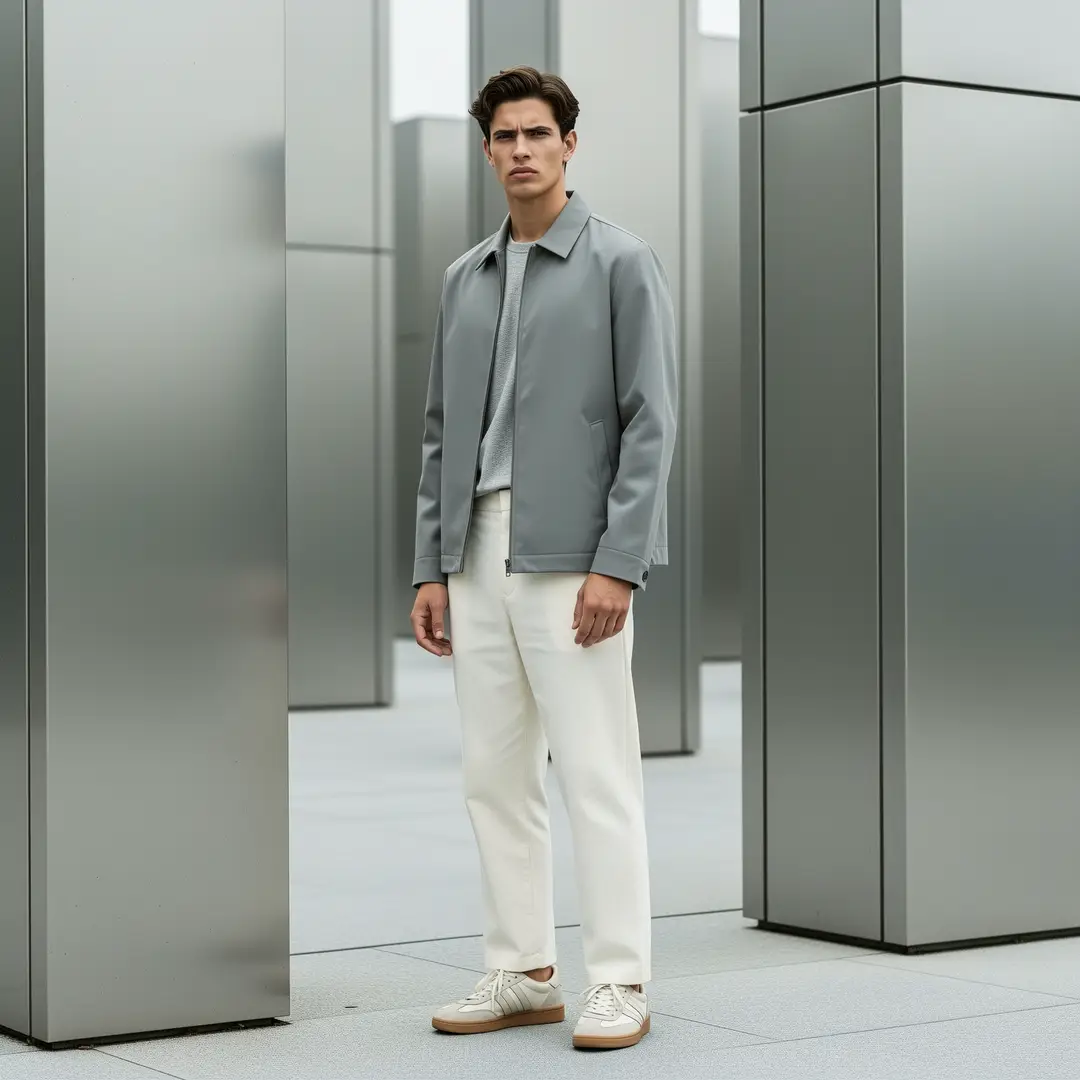
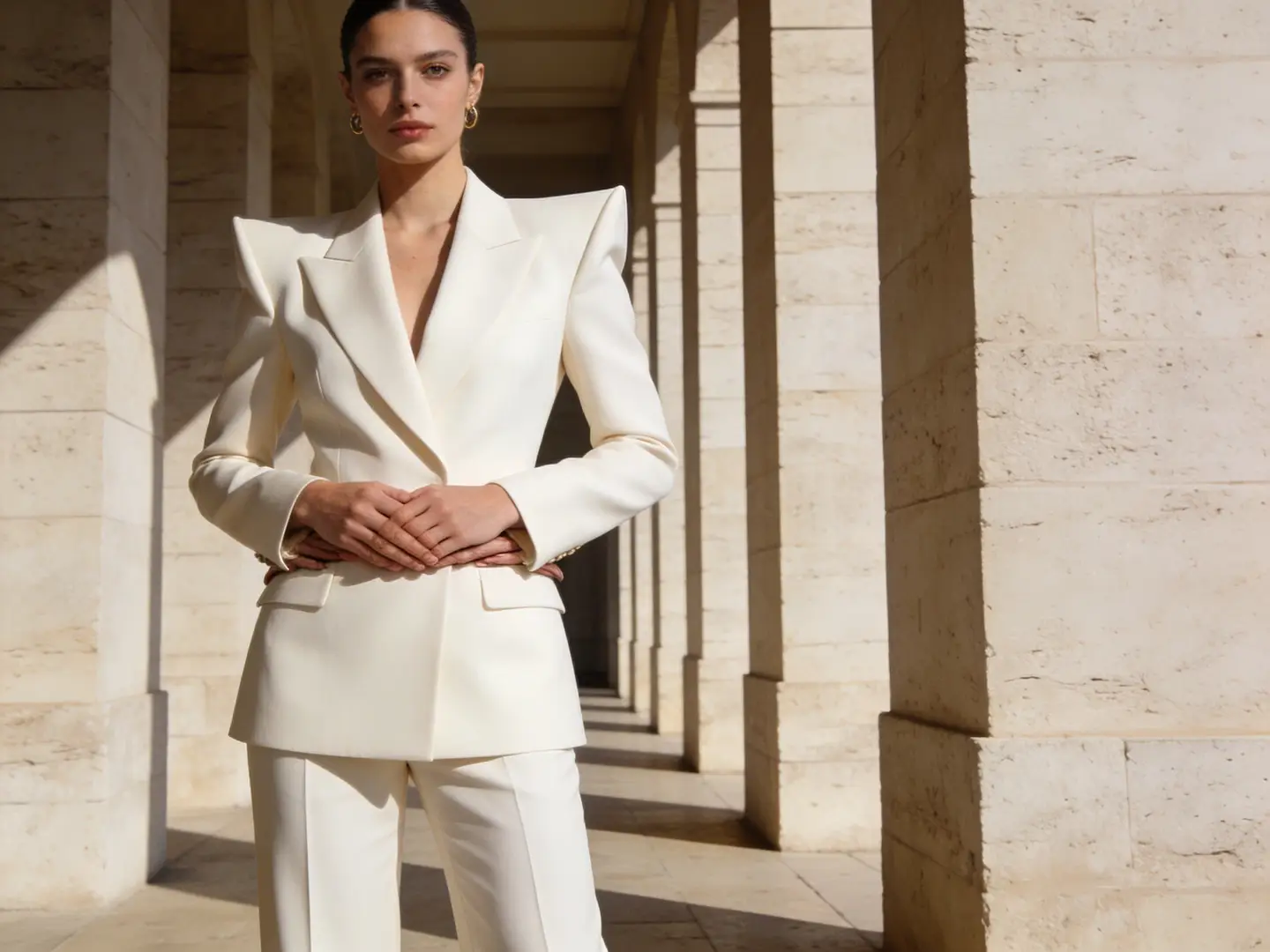
Lookbook frame
A full-length outfit still can take a new venue if you keep face, garment, and crop in the keep list. Broad restyle language is how extra accessories appear. Name the adult subject once, then list the one scene change you actually want.
Illustrative lookbook source for a scene pass. Not verified cutout proof.
One-fact board
A clean subject on a plain field is easier to restage than a lifestyle crop with busy reflections. Hold silhouette and crop; change only the scene fact. Inspect edges and lettering against the upload after the run. The sneaker board is an illustrative template for one-fact tests.
Illustrative board for one-fact tests from one source. Not a verified background remover set.
How do you prompt a background remover pass without masks or cutout exports?
This background remover workbench is steered with notes, model, and crop. Name objects you can count. One scene change is enough for a retry. There is no mask, region brush, inpaint control, or transparent PNG export here.
01
Crop the source to the subject before you upload
Desks, browsers, and extra people will be interpreted. A cleaner source is the cheapest control you have. If you are adapting a full-length still, keep the face and crop you care about inside the frame you send.
02
Keep the keep list shorter than the change list is tempting to write
A long change paragraph is how extra objects, accessories, and people appear. Write the keep list in objects. Write the change list as one scene fact. If the first result drifts, shorten the change list rather than narrating the entire photo.
03
Inspect the source and the result together
Walk face, silhouette, lettering, and camera height. A handsome restyle that invents a second person has failed the keep list. Decide in advance which errors you will accept before you spend another run. Prompt-led editing is iterative; it is not a local retouch desk and it does not return a cutout file.
Creator workflow notes
Working habits for a referenced scene rewrite, not user reviews
These notes describe common ways to run a keep-and-change pass on a photo. They are not user reviews, ratings, or promises about a specific result.
Portrait scene
Face workflow
Keep face, crop, and camera height. Ask for a quieter wall or studio field. If a new person appears, the change list was too broad.
Product scene
Object workflow
Keep silhouette, label placement, and angle. Change only the surface behind the object. Inspect edges and lettering against the upload.
Drawn scene
Illustration workflow
Keep pose and staging lines. Name the new backdrop in one clause. Check hands, eyes, and lettering before you accept the plate.
What a background remover run can and cannot do
A background remover search should still expect a credit line. New VideoAny accounts receive starter credits; each rewrite shows the cost for the selected model and options before you generate. Cover the photo you upload, how far the still may drift, and what this page will not do.
What to upload and what to write beside it
The input is a photo plus notes. A single clear still beats a montage. Write keep-and-change in plain language. Do not expect a mask, a region brush, a numeric strength control, or a transparent PNG export; those are not how this page is set up.
What kind of file works as a reference?
+−
Use one still where the subject is large and readable. Product photos, portraits, and line drawings work better than collages or tiny thumbnails. Upload only material you are authorized to edit. This workbench will not start from an empty prompt.
Does this background remover export a transparent PNG cutout?
+−
No. This page rewrites the scene around the uploaded subject and returns a new still. It does not lift the subject onto an alpha channel, and it does not promise a cutout file you can drop onto another layout.
How to judge whether the result is close enough
Open the source and the new still side by side. Check face, silhouette, lettering, and camera height. A handsome restyle that invents a second person or a new object has failed the keep list. Decide in advance which errors you will accept.
Why did the new still invent objects that were not in the photo?
+−
Broad change language or a ratio that does not match the source can invite extra objects. Narrow the change list, match the crop, and try again.
Can I lock the subject with a mask and freely restyle the rest?
+−
This workflow does not provide precise edit masks, inpaint brushes, or strength sliders. You steer with notes, model, ratio, and resolution when the model shows it. Use a dedicated local editor if you need a region retouch. This page does not promise a layer-perfect cutout.
Credits, limits, and sensible next steps
The model and options affect the credit cost shown before you generate. Limits vary with that selection. Review the line every time you change an option. After a still that holds the source, you can move it into motion. This page does not waive those limits or invent an open-ended run budget.
Is the cost the same as generating without a reference?
+−
Not necessarily. The workbench shows the cost for the model and options selected on this path. Read that value rather than reusing a number from another tool.
What if I need a new idea that the reference should not constrain?
+−
Write a text-to-image brief instead. A source file will keep pulling the still toward the upload. For motion from the rewrite, continue in image-to-video.
How do you load a photo into this background remover workbench?
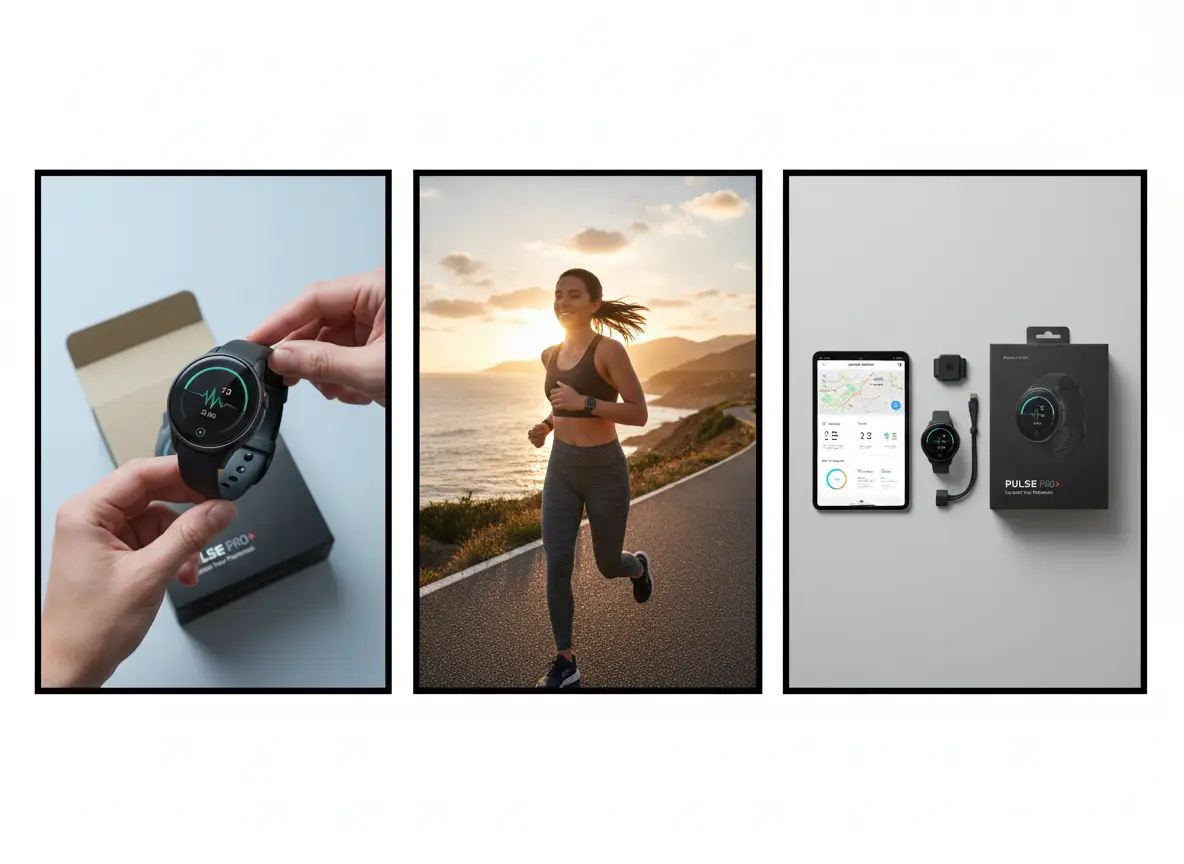
Work in this order: file, notes, selections, then inspection. These steps match the upload area, prompt field, and toolbar on this background remover page. The picture is an illustrative board, not a screenshot of the live form.
Step 1: Upload one clear photo and crop it to the subject
Open the workbench and add a single still. Crop out desks, browsers, and extra people that you do not want interpreted. Confirm the subject fills the frame. Keep the face or object you care about inside the crop. A cleaner source is the cheapest control you have. This editor will not start from an empty prompt.
Step 2: Write keep-and-change notes, then confirm model and ratio
Type the keep list first and the scene-change list second. Leave Seedream 5.0 selected unless you have a reason to switch. Match aspect ratio to the upload unless the destination truly differs. Read the displayed credit cost and any limit for that combination, then generate. Do not expect a transparent PNG at the end of the run.
Step 3: Inspect fidelity, then adjust only the clause that failed
Place the result next to the upload. Walk face, silhouette, lettering, and camera height. If the scene is wrong but the subject held, change only the backdrop clause. If the subject broke, simplify the change list or recrop the source.
What brief, budget, and quality checks should you finish before another background remover run?
Write the keep list, cap the retries, and define how close is close enough. Then load the photo into this background remover workbench and generate with those constraints in view.
Freeze the brief as keep-and-change, not as a mood
Write the keep list in objects you can count: face, silhouette, crop. Write the change list in one scene fact. If either list is a pile of adjectives, edit it before you upload. Put both lists next to the source file. Every later note should still point at those lines.
Cap the budget for retries on this file
Decide how many attempts this photo is worth before you recrop or reshoot. Read the displayed credit cost for the model and options you selected. When the retry budget is gone, accept the closest keep-list match or fix the source. Starter credits are a finite retry budget, not an open-ended edit desk.
Set the fidelity bar you will inspect against
State whether a mood match is enough, whether the face must stay readable, or whether lettering must match the source. That bar tells you when to stop and when to leave for a retoucher. Open the workbench after those three decisions are written. This page still returns a new still, not a cutout layer.
VideoAny AI
Replace the scene from an uploaded photo
Write the keep list, cap the retries, and define how close is close enough. Then load the photo into this background remover workbench and generate with those constraints in view.