Existing adult photographic reference
 VideoAny
VideoAny AI
An nsfw ai photo editor turns an existing adult still into a fresh composition without starting from a blank canvas. On VideoAny, you upload a reference image, describe what to keep and what to change, and let the configured model produce a new frame. The current image model configuration includes NSFW image generation, and the credit cost is shown before you generate. This page uses image-to-image with an uploaded reference image and a text prompt, so every result stays anchored to the source you provide. The reference gallery contains existing adult photographic images that illustrate the kind of input the workbench expects. Whether you want to recast wardrobe, shift lighting, or explore a drawn finish, this image workspace helps you iterate on a single photograph until the output matches your brief.
The model you select determines how faithfully nsfw ai photo editor preserves the pose, proportions, and identity cues from your reference. VideoAny configures Seedream 5 Pro for this workspace, and the image workbench accepts a text prompt alongside your uploaded file. Before you generate, confirm that the aspect ratio matches the uploaded portrait rather than a later crop, then review the result and adjust the input until the still feels like a deliberate rewrite of the original.
01
Seedream 5 Pro is an image model configured in VideoAny that reads both your reference and your text prompt. Because the current image model configuration includes NSFW image generation, you can push adult compositions further without switching tools. The credit cost is shown before you generate, so you know exactly what each run requires. Stick with this model when you need nsfw ai photo editor to respect the source’s anatomy and framing while applying the changes you describe.
02
Cropping after generation often cuts into the subject or shifts the composition you approved. Set the ratio to match the uploaded still before you run nsfw ai photo editor. VideoAny has an image-to-image workbench with reference image input, and the preview tools let you compare the source and the output side by side. When the frame matches, every subsequent adjustment stays consistent across retries.
03
The first output rarely lands exactly where you want it. Use nsfw ai photo editor as a loop: inspect what held, note what drifted, and tweak only the clause that failed. VideoAny has a text-to-image workbench as well, but staying inside the image-to-image flow keeps the person recognizable. Small prompt edits often fix fabric detail or shadow direction without disturbing the pose you already approved.
an image workspace works best when you separate the elements that must stay from those you are willing to change. The reference gallery contains existing adult photographic images that show how a single source can support wardrobe swaps, lighting shifts, and stylistic treatments. Each run rewrites a neighboring still instead of starting from a blank page, so the person remains the anchor.
01
Choose a reference that already holds the pose and camera angle you want in the final frame. nsfw ai photo editor reads the uploaded photograph and carries those structural cues into the output. When the source is well-framed, the model spends its capacity on the details you actually asked to change rather than guessing limb placement or perspective.
Use the existing adult reference to explore lighting and framing.Open the image workbench and upload your reference
Starting from a reference makes sense when the person, pose, or setting already works and you want to explore variations. an image workspace helps you catalog wardrobe options, test room light, or apply a drawn finish without rebuilding the composition. Each scenario below uses the same uploaded still as the foundation.
The reference gallery contains existing adult photographic images that illustrate the kind of source material nsfw ai photo editor expects. A well-chosen reference helps the model hold the person while changing clothes, scene, or light. The examples below show how different source types support different rewrite goals.
Illustrative references. Not verified VideoAny input/output pairs.
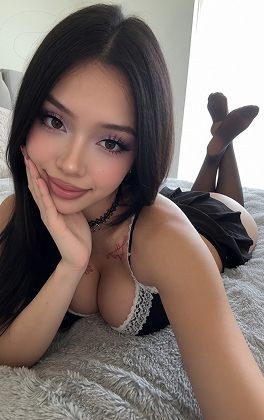
Upload a tightly framed adult portrait and ask nsfw ai photo editor to pull back to a three-quarter shot while keeping the subject centered. The model reads the existing composition and extends the scene logically. This approach works when you need the same person in a wider context without reshooting.
Existing visual reference for composition and lighting; not a verified output from this page.
Use a single reference to generate a sequence of editorial-style frames. nsfw ai photo editor treats each run as a variation on the uploaded still, so the person’s features remain stable across the set. Existing collection images are illustrative references, not outputs from this page, but they show the kind of consistency you can aim for.
Existing visual reference for composition and lighting; not a verified output from this page.
nsfw ai photo editor does not use region masks or manual brushes. You guide every change through the text prompt and the quality of the uploaded reference. The tips below help you get precise results with words alone.
01
Remove background clutter and distracting elements before the file reaches the workbench. The image workspace reads the entire frame, so a clean, subject-focused crop gives the model less noise to interpret. This small step often improves fidelity more than a longer prompt.
02
It is tempting to describe everything you want to preserve, but a long keep list confuses the model. Name only the two or three traits that define the person—jawline, build, skin tone—and let the image workspace treat everything else as negotiable. A short keep list produces cleaner adherence to the changes you actually request.
03
Place the uploaded photograph next to the output and scan for drift. The image workspace works iteratively; if the eyes shifted or the shoulder line dropped, adjust the prompt to reinforce those anchors. Comparing side by side turns a vague impression into a specific fix for the next run.
Creator workflow notes
Working habits for a referenced adult-still rewrite, not user reviews
Understanding the boundaries of this image workspace helps you set realistic expectations before you spend credits. The answers below cover input requirements, fidelity checks, and practical limits.
Upload one clear adult still that shows the person you want to keep. The image workspace uses that file as the visual anchor. In the prompt field, write what should change—clothing, lighting, background, finish—and leave the person’s core traits unmentioned so the model preserves them by default. The image workbench accepts a text prompt, and the credit cost is shown before you generate.
Use one still where the adult subject is large and readable. Full-length or three-quarter photos work better than collages or tiny thumbnails. Upload only material you are authorized to edit. This workbench will not start from an empty prompt, and it will not generate video.
No. Name what must remain and what should change in clothes, scene, or light. If the first result drifts, shorten the change list rather than narrating the entire portrait.
Starting a session in this image workspace takes three straightforward steps. You upload a reference, write a prompt that separates keep from change, and inspect the output against the source. Follow the sequence below to get a usable result on your first attempt.
Select a photograph where the subject is well-lit and unobstructed. The image workspace relies on that visual data, so a blurry or heavily filtered source will produce weaker results. Crop tightly to the person before uploading; this removes background distractions and helps the model focus on the figure you want to rewrite.
Draft your prompt as two short lists: what stays and what changes. For example, keep the subject’s build and stance; change the outfit to a dark blazer and add window light. Select Seedream 5 Pro as the model, match the aspect ratio to your upload, and confirm the resolution. The credit cost is shown before you generate, so review it and proceed.
Compare the output to your reference. If the outfit changed but the face drifted, add a brief note about facial structure to the keep list and run again. The image workspace improves fastest when you change one variable at a time. Resist the urge to rewrite the entire prompt; isolate the failure and correct it.
Every additional run of this image workspace should start from a tighter brief than the last. Before you generate again, freeze your instructions, cap your retry budget, and set the fidelity bar you will inspect against.
Vague prompts like “make it moodier” produce unpredictable results. Write your brief as concrete keep-and-change pairs: keep the subject’s jawline and shoulder width; change the top to sheer fabric and the background to slate. The image workspace responds to specificity, and a frozen brief lets you compare runs fairly.
Decide how many credits you will spend on a single reference before you move on. The credit cost is shown before you generate, so multiply that by your cap and stick to it. The image workspace can iterate indefinitely, but diminishing returns set in quickly. A hard limit keeps the session productive.
Define what “close enough” means for this particular edit. Maybe the face must be unmistakably the same person, or the lighting must match a reference swatch. Write that bar down before you generate, and use it to decide whether to accept the output or spend another credit. The image workspace works best when you measure results against a fixed standard, not a shifting feeling.
VideoAny AI

02
State clearly what must remain on the person—skin tone, build, facial structure—and what may change in clothes, fabric texture, or ambient light. VideoAny has an image-to-image workbench with reference image input, and the prompt field is where you draw that line. A focused keep list prevents nsfw ai photo editor from drifting into a completely different subject.
Use the existing adult reference to explore lighting and framing.Open the image workbench and upload your reference
03
Generating from scratch often loses the specific person you started with. nsfw ai photo editor rewrites a neighboring still, so the output feels like a variation of the uploaded photograph. The image workbench accepts a text prompt that describes the differences, and the model blends those instructions with the visual data from your file.
Use the existing adult reference to explore lighting and framing.Open the image workbench and upload your reference
Build a mood board where every image traces back to the same uploaded photograph. nsfw ai photo editor keeps the core identity while you vary wardrobe, backdrop, and finish. This method is useful when you need to present multiple treatments of one person without introducing new faces.
Existing visual reference for composition and lighting; not a verified output from this page.
Before you leave nsfw ai photo editor, list the variations you still need. The image workspace rewards a systematic approach: finish all wardrobe swaps, then all lighting tests, then all stylistic treatments. Checking the list now prevents you from returning later and struggling to match the earlier outputs.
View pricingThese notes describe common ways to run a keep-and-change pass on an authorized adult still. They are not user reviews, ratings, or promises about a specific result.
Wardrobe rewrite
Clothes workflow
Keep face, pose, and camera height. Change only the garment color or cut. If a new accessory appears, the change list was too broad.
Scene rewrite
Background workflow
Keep face, garment, and crop. Change only the wall or venue behind the person. Inspect floor contact against the upload.
Light rewrite
Lighting workflow
Keep pose and staging. Name the new light direction in one clause. Check eyes, fabric sheen, and shadows before you accept the plate.
Check three things: does the face read as the same person, does the pose match the reference, and did the requested changes appear? The image workspace will not produce a pixel-perfect copy, but the identity should be recognizable. If two of the three checks pass, a small prompt tweak usually fixes the third.
Broad change language or a ratio that does not match the source can invite extra objects or limbs. Narrow the change list, match the crop, and try again.
This workflow does not provide precise edit masks, inpaint brushes, or strength sliders. You steer with notes, model, ratio, and resolution. Use a dedicated local editor if you need a region retouch. This page does not invent a new person from text.
The credit cost is shown before you generate, and each run consumes the displayed amount. There is no hidden quota beyond what you see. After a successful edit, save the output and note the prompt that produced it. The image workspace works best when you treat each session as a series of small, documented adjustments rather than a single lucky roll.
Not necessarily. The workbench shows the cost for the model and options selected on this path. Read that value rather than reusing a number from another tool.
Write a text-to-image brief instead. A source file will keep pulling the still toward the upload. For motion from the rewrite, continue in image-to-video. This this image workspace stays on stills.
Open the image workbench and upload your reference
Every additional run of this image workspace should start from a tighter brief than the last. Before you generate again, freeze your instructions, cap your retry budget, and set the fidelity bar you will inspect against.