Existing adult photographic reference
 VideoAny
VideoAny AI
The explicit photo creator workbench turns a written description into a new adult still. You describe the subject, the pose, and the scene, and Seedream 5 Pro renders the image from your text prompt. This explicit photo creator keeps the controls simple: choose the model, set the aspect ratio, and inspect the credit cost before you generate. Every result starts from your words, not from an uploaded reference file, so the brief you write is the only source the model reads.
The model you select sets the visual language for the entire session. This section covers the preferred configuration and the input controls you verify before you prompt.
01
Seedream 5 Pro is the image model configured for the explicit photo creator workbench. It reads a text prompt and produces a photographic still that follows the adult subject and scene you describe. Because the model is the only renderer active on this page, you do not need to compare model cards or switch engines. The explicit photo creator accepts a single text input, so every visual decision must live in the words you type. Keep the prompt focused on one clearly adult subject, then add the pose, crop, and setting in short clauses.
02
The aspect ratio control shapes the canvas before the model draws a single pixel. A vertical portrait ratio suits a full-body pose against a doorframe, while a wide cinematic ratio works for a reclining figure across a bed. The explicit photo creator renders the entire frame, so choose the ratio that fits the composition you describe, not a ratio you plan to crop later. If you write a tight bust-level portrait and select a square ratio, the model will fill the square with the subject you named. The explicit photo creator does not read a reference image, so the ratio is the only spatial constraint you set before generation.
03
After the explicit photo creator produces a still, inspect it against the brief you wrote. If the pose is correct but the lighting feels flat, add a light-direction clause and keep the rest of the prompt intact. The credit cost is shown before you generate, so you can plan a short retry budget without surprise. The explicit photo creator does not learn from a gallery of past outputs; each generation is a fresh read of your text. Adjust only the clause that failed, regenerate, and compare the new result to the same written brief.
The explicit photo creator treats your text as the only source of visual truth. This section explains how to build a brief that the model can follow reliably.
01
Start the scene clause with a room that implies the camera position. A phrase like "standing at the foot of a hotel bed" gives the explicit photo creator a viewpoint without naming a lens. The model reads the spatial relationship between the subject and the room, so a doorway, a mirror, or a window seat all anchor the frame. The explicit photo creator does not guess a default angle; if you omit the room, the model may center the subject against a vague backdrop. Write the room as a short noun phrase, then move to the subject.
Use the existing adult reference to explore lighting and framing.Open the text-to-image workbench and write your first still.
Different visual goals need different prompt structures. These three scenarios show how the explicit photo creator handles common adult still requests.
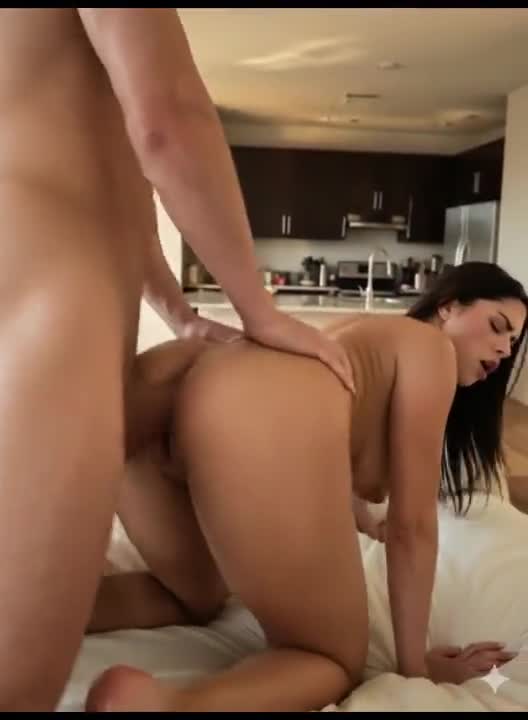
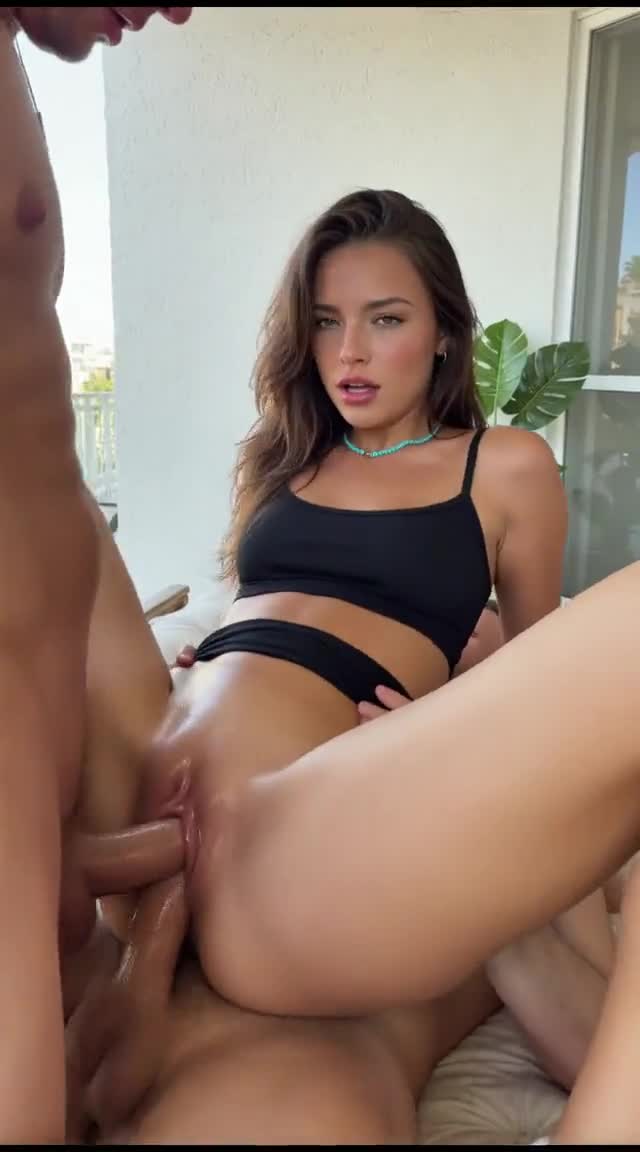
The existing collection images illustrate the kind of adult stills you can describe. They are not outputs from this page, but they show the visual territory the explicit photo creator can reach.
Illustrative image-to-image template references. Not verified VideoAny text-to-image outputs from this page.
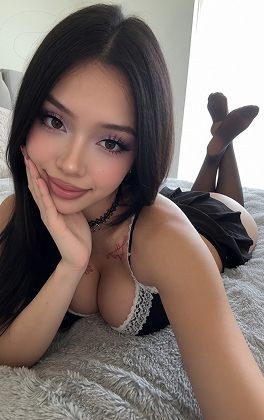
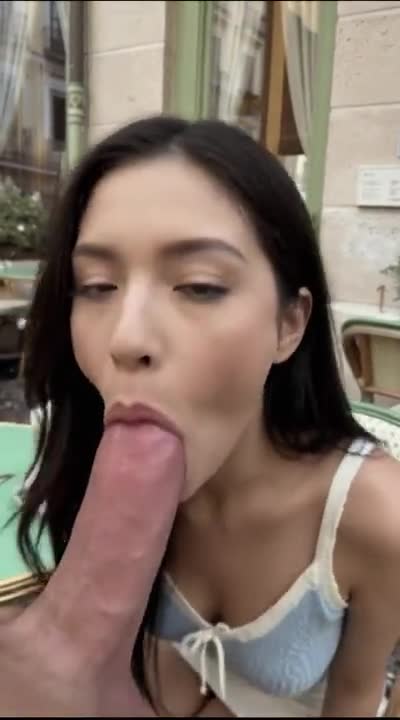
A reference visual can suggest a crop without being uploaded to the explicit photo creator. Look at the framing in the collection image and write the crop as a text clause: "head and shoulders, tight frame" or "full body, doorway width." The explicit photo creator reads the crop words and applies them to the subject you describe. Because the model does not see the reference, the result will be a new still that shares the framing but not the source figure. Use the reference to decide your crop words, then close the gallery and write the prompt.
Existing visual reference for composition and lighting; not a verified output from this page.
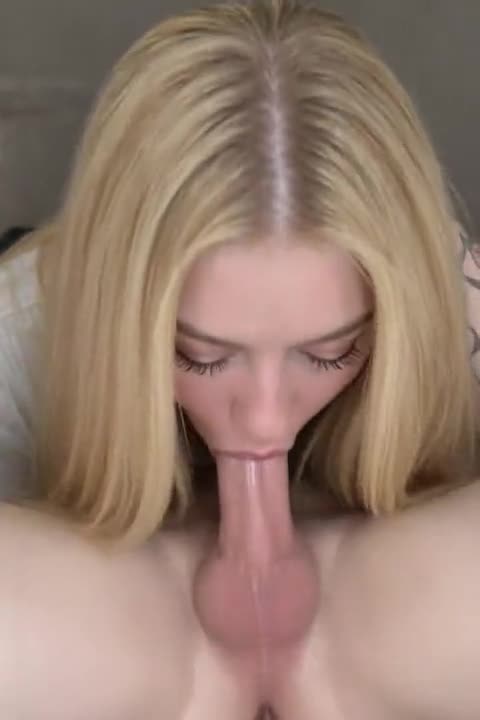
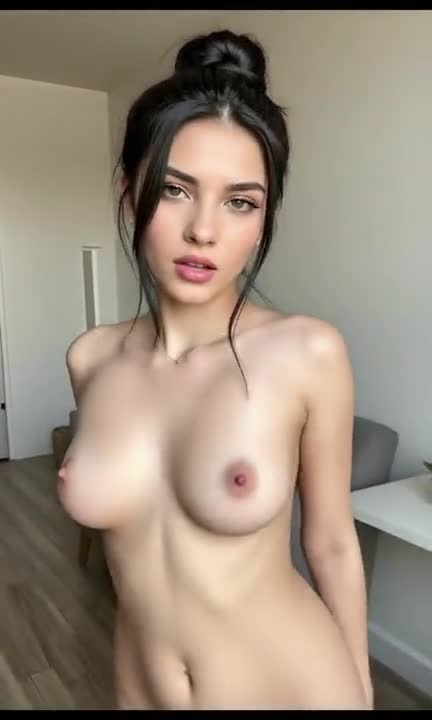
A lookbook frame shows the subject in a complete outfit against a simple setting. The explicit photo creator can produce a similar frame when you write the garment, the pose, and the backdrop in three short clauses. Study the collection image for the relationship between the subject and the negative space, then describe that relationship in your own words. The explicit photo creator will render a new still with the same compositional balance, but the subject and the room will be the ones you named in the prompt.
Small changes to your prompt structure can make a large difference in the result. These tips help the explicit photo creator read your intent more accurately.
01
The explicit photo creator reads the prompt from left to right, giving more weight to the first noun phrase. Start with the adult subject: "a woman in her thirties, short dark hair, athletic build." Once the subject is named, add the room and the lighting. If you open with a mood word like "sensual" or "moody," the model may spread that adjective across the subject and the scene in ways you did not intend. The explicit photo creator follows the subject-first structure more reliably because it anchors the generation on the figure you described.
02
A prompt with eight adjectives for the same garment gives the explicit photo creator conflicting instructions. Pick the two words that matter most—"lace, ivory"—and stop. The model will fill the texture and drape from its training data, and the result will read as a coherent garment rather than a collage of competing details. The explicit photo creator works best when each clause contains one clear fact. If you need a specific look that requires more words, break the description into separate clauses for the garment, the light, and the pose.
03
Do not compare the output of the explicit photo creator to a template still or a reference image you did not upload. Open your written brief and check each clause: is the subject the age and build you wrote? Is the pose in the right direction? Is the light source where you placed it? The explicit photo creator can only satisfy the words you typed, so the brief is the only fair standard. If one clause failed, adjust that clause and regenerate. If the whole still missed, rewrite the subject clause first.
Quick answers about the explicit photo creator workbench, its input requirements, and how to evaluate the results.
The explicit photo creator is a text-to-image workbench. You write a prompt, and Seedream 5 Pro renders a new adult still from your words. There is no reference image slot on this page, so you do not need to upload a photo. If you want to revise an existing image, use the image-to-image workbench instead. The explicit photo creator keeps the workflow simple: one text input, one model, one result per generation. The credit cost is shown before you generate, so you can decide how many retries fit your session.
No. The explicit photo creator is a text-to-image workbench that generates a new still from your written prompt alone. There is no reference image input on this page. If you want to revise an existing photo, switch to the image-to-image workbench.
Seedream 5 Pro is the image model configured for the explicit photo creator workbench. It is the active model when you open the page, and it reads your text prompt to produce a photographic adult still.
Follow these three steps to go from a blank prompt field to an inspected adult still.
Open the explicit photo creator and type the subject first. Name the age, build, and one distinguishing feature, then add the pose as a short clause. Follow with the crop and the room. The explicit photo creator reads the prompt in order, so a clean subject-first structure gives the model a strong anchor. Avoid writing a mood before the subject; the model may apply the mood to the background instead of the figure. Keep the entire prompt under four clauses for the first generation, then expand only the clause that needs more detail.
Seedream 5 Pro is already selected as the model for the explicit photo creator. Choose the aspect ratio that matches the composition you described, then check the resolution setting. The credit cost updates when you change these controls, so read the number before you generate. The explicit photo creator does not hide the cost; it is shown on the workbench interface. If the cost fits your session budget, generate the first still. If not, adjust the resolution or the ratio and check the cost again.
When the explicit photo creator returns a still, open your written brief and check each clause. If the subject is correct but the light direction is wrong, edit only the light clause and leave the rest of the prompt unchanged. Regenerate and compare the new result to the same brief. The explicit photo creator treats each generation independently, so a small targeted edit is more efficient than rewriting the whole prompt. Repeat until the still matches every clause you wrote.
Before you close the workbench, lock in your brief, set a retry cap, and define the bar for approval.
The explicit photo creator works best when the brief is a list of concrete facts, not a mood word. Before you finish the session, rewrite your prompt so every clause names a visible element: the subject, the garment, the light, the room. Remove any adjective that cannot be pointed at in the resulting still. The explicit photo creator will read the frozen brief as a set of instructions, and future sessions can start from the same text without guessing what "atmospheric" meant the first time.
The explicit photo creator shows the credit cost before each generation, so you can set a retry limit before you start. Decide how many generations the brief is worth, and stop when you hit that number. If the still is not right after the cap, the brief may need a structural rewrite rather than more retries. The explicit photo creator does not improve with repeated identical prompts, so a fresh brief is often cheaper than a tenth generation of the same text.
Before you close the explicit photo creator, write down the three clauses that must be correct for the still to pass. If the subject, the pose, and the light direction are all present, the still is done. Do not add new requirements after you see the result. The explicit photo creator can only satisfy the brief you wrote before generation, so the fidelity bar must be set in advance. Save the passing still and move to the next brief or the next tool.

02
A single visual fact keeps the explicit photo creator on target without overloading the prompt. Choose one clothing item, one light source, or one dominant color and state it plainly. The explicit photo creator reads the fact as a constraint, so "a silk robe, open" or "warm bedside lamp" gives the model a clear instruction. If you list five adjectives for the same garment, the model may blend them unpredictably. Pick the one fact that must appear in the still and let the model fill the rest from its training.
Use the existing adult reference to explore lighting and framing.Open the text-to-image workbench and write your first still.
03
Once the first still matches your brief, write the next one without uploading a source file. The explicit photo creator treats each prompt as an independent generation, so you can move the subject to a different room or change the pose entirely. Describe the same adult subject with a new scene clause, and the model will render a fresh still that shares the subject description but not the previous composition. This word-to-word workflow keeps the explicit photo creator fast and avoids the drift that can occur when a reference image constrains the next frame.
Use the existing adult reference to explore lighting and framing.Open the text-to-image workbench and write your first still.
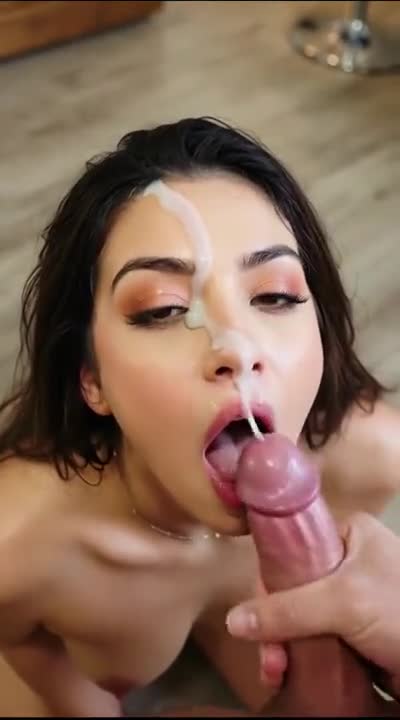
Existing visual reference for composition and lighting; not a verified output from this page.
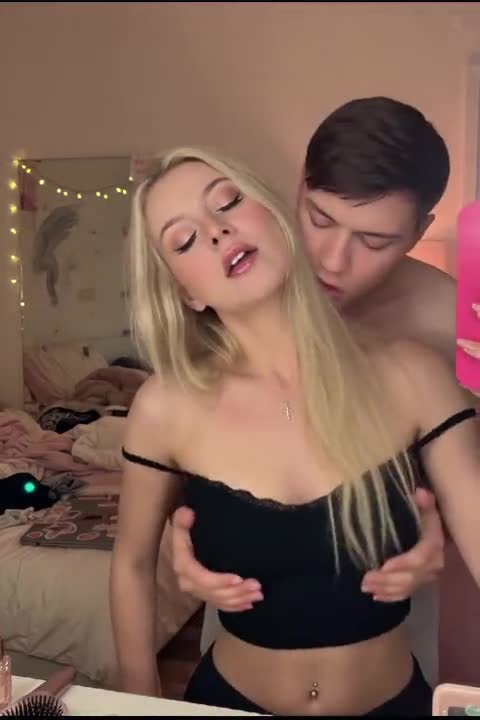
A one-fact board is a mental note, not an uploaded file. Pick one fact from a collection image—the direction of the light, the color of the sheet, the angle of the shoulders—and write only that fact into your prompt. The explicit photo creator reads the fact and builds the rest of the still around it. This technique keeps the prompt short and prevents the model from trying to reproduce a reference it cannot see. The result will share the single fact you borrowed, but the subject and the room will be entirely new.
Existing visual reference for composition and lighting; not a verified output from this page.
Creator workflow notes
Working habits for a prompt-only adult still, not user reviews
These notes describe common ways to run a text-to-image pass on this this image workspace desk. They are not user reviews, ratings, or promises about a specific result. The pictures around them are image-to-image template stills, not this page's generation proof.
Subject rewrite
Prompt workflow
Name one clearly adult subject, pose, and crop. If a second person appears, the brief was too broad.
Look rewrite
Clothes and light workflow
Keep the subject list short. Change only the garment color, room, or light direction. Inspect hands and floor contact against the brief.
Finish rewrite
Illustration workflow
Keep pose and staging in the written list. Name the finish in one clause. Check hands, eyes, and lettering before you accept the plate.
The explicit photo creator reads your prompt literally, so the result should match the subject, pose, and scene you wrote. If the still shows the correct subject but the lighting is off, add a light-direction clause and regenerate. The model does not see a reference, so do not judge the output against a photo you did not upload. The explicit photo creator treats each generation as a fresh read of your text, so small prompt edits often fix the issue without changing the whole brief.
The current image model configuration includes NSFW image generation, and the explicit photo creator accepts adult subject descriptions. The credit cost is shown before you generate, and the model reads your text prompt as written.
The explicit photo creator is a text-to-image workbench that generates a new still from words alone. The image editor accepts an uploaded photo and applies text-based changes to it. Use the explicit photo creator when you are inventing a new still, and the editor when you are revising an existing one.
The explicit photo creator shows the credit cost before each generation, so you can plan your session. There is no difference in cost between writing a new still and rewriting an uploaded photo because the latter uses a separate workbench. If you already have a photo that should constrain the next still, move to the image-to-image tool and upload it there. The explicit photo creator is designed for text-first workflows where every visual decision starts on the keyboard.
The credit cost is shown before you generate on each workbench. The explicit photo creator and the image-to-image workbench are separate tools with their own credit displays, so check the cost on the page you are using.
The explicit photo creator does not accept a reference upload. If you have an existing photo that should guide the next generation, switch to the image-to-image workbench, upload the photo, and write your text changes there.
VideoAny AI
Open the text-to-image workbench and write your first still.
Before you close the workbench, lock in your brief, set a retry cap, and define the bar for approval.
This website is an independent third-party platform. We are not affiliated with, endorsed by, or officially representing any AI model providers referenced on this site. All trademarks and brand names belong to their respective owners.
© 2026 VideoAny. All rights reserved. ACKERMAN TECH SOLUTIONS LLC