Existing adult photographic reference
 VideoAny
VideoAny AI
An ai image generator without any sensors lets you describe an adult scene in plain words and watch a photographic still appear. You do not need a camera, a reference file, or any physical capture device. The workbench accepts a text prompt and turns your written brief into a high-detail image. This page is built for a single task: write the subject, choose the look, and generate. The current configuration runs Seedream 5 Pro, a capable image model that reads your description and produces a result you can inspect, adjust, and regenerate. Because the tool is an ai image generator without any sensors, every creative decision stays on the screen—no lens, no lighting rig, no upload required.
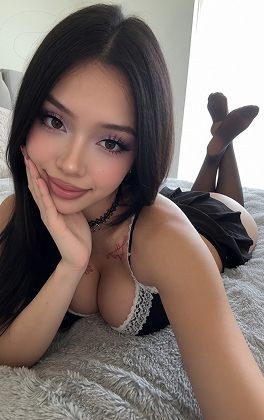
The workbench gives you a few model choices, but one is already selected for this task. Confirm the model, set the aspect ratio, and read the credit cost before you generate.
01
Seedream 5 Pro is the preferred model for a written adult still on this page. An ai image generator without any sensors relies entirely on your text prompt, so the model choice shapes how light, fabric, and skin tone are rendered. Select Seedream 5 Pro from the model list and keep it active for every generation in this session. Because this is an ai image generator without any sensors, the model interprets your words directly—no lens profile, no focal-length metadata, no raw file to develop. The credit cost is shown before you generate, so you can confirm the spend before the still appears.
02
Pick the aspect ratio that fits the adult still you are describing right now. An ai image generator without any sensors composes the frame from your prompt alone, so a mismatched ratio can cut a limb or flatten a pose you meant to keep. If you are writing a full-body catalog frame, choose a vertical ratio; for a wide room scene, go horizontal. The workbench shows the ratio options next to the model selector. Treat this as a creative decision, not a technical afterthought. An ai image generator without any sensors gives you the full frame you ask for—no sensor crop, no viewfinder mask.
03
After the first generation, inspect the still against your written brief. An ai image generator without any sensors cannot auto-correct exposure or refocus a soft edge; you adjust the words, not a lens ring. If the pose reads younger than you intended, rewrite the age clause. If the light feels flat, add a direction and a color temperature. The workbench keeps your prompt editable, so you can regenerate quickly. Because this is an ai image generator without any sensors, every refinement happens in the text field—no reshoot, no tethered capture, no waiting for a new setup.
The workbench accepts a text prompt and produces a photographic adult still. You control the subject, the setting, and the finish without touching a camera or uploading a file.
01
Start the scene description with a clear camera height. An ai image generator without any sensors does not guess where the lens sits; you write it into the prompt. If the reference gallery shows an existing adult photographic image shot from waist level, use that same height in your brief. The workbench reads your words and places the implied lens at that elevation. An ai image generator without any sensors treats every prompt as a complete directorial note—height, distance, and angle all come from your text, not from a tripod or a gimbal.
Use the existing adult reference to explore lighting and framing.Open the text-to-image workbench and write your first adult still.
02
Pick one concrete fact the new still must show and write it plainly. An ai image generator without any sensors cannot sample a fabric swatch or meter a key light, so your words carry the whole brief. If the existing adult photographic reference shows a silk robe under warm tungsten, write “silk robe, tungsten key.” Do not bury the fact in mood adjectives. The workbench produces a result that matches the terms you supply. An ai image generator without any sensors rewards direct language—one material, one color temperature, one clear instruction per clause.
Use the existing adult reference to explore lighting and framing.Open the text-to-image workbench and write your first adult still.
03
You can write a new still that feels like it belongs next to an existing adult photographic reference without uploading the source file. An ai image generator without any sensors does not need a seed image; you describe the shared location, the consistent light, and the subject variation in text. The workbench generates the neighboring frame from your prompt. This keeps the series coherent without matching sensor profiles or color charts. An ai image generator without any sensors lets you extend a lookbook or a scene sequence using only the written brief.
Use the existing adult reference to explore lighting and framing.Open the text-to-image workbench and write your first adult still.
Three common visual goals work well with a text-only prompt. Each scenario uses the existing adult photographic references as a style guide, not as an upload.
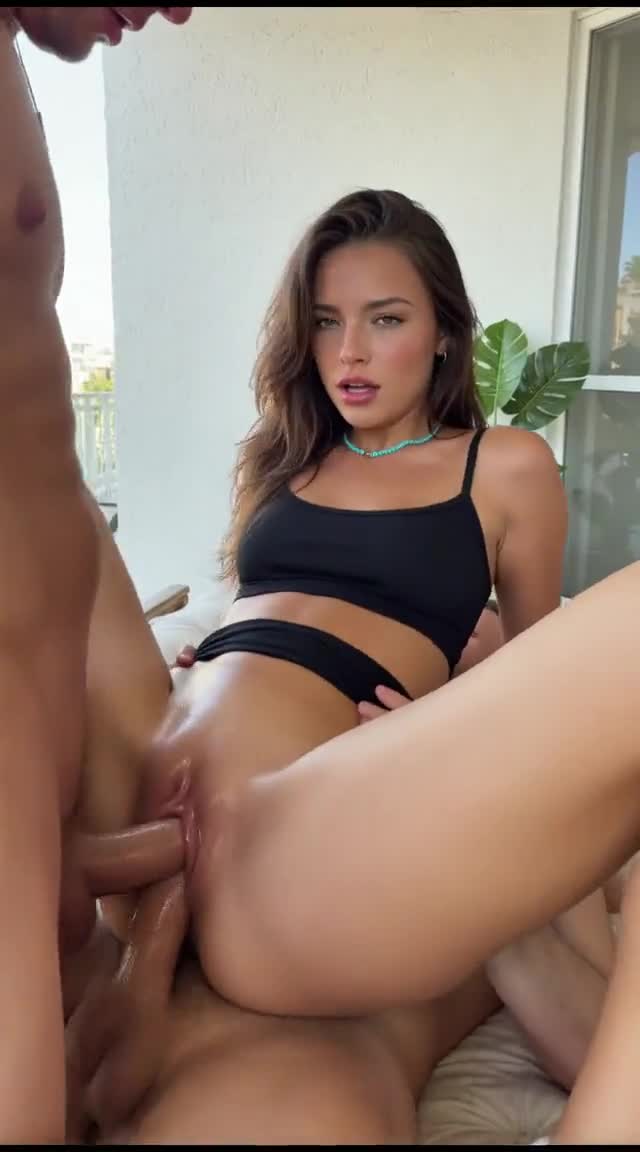
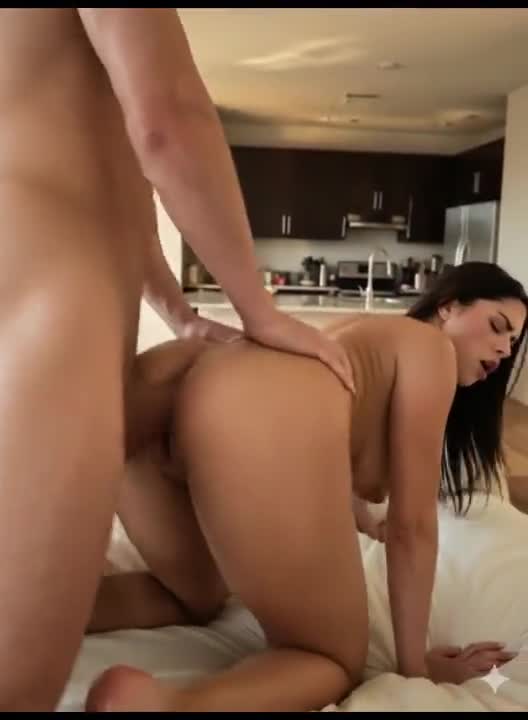
The existing adult photographic images in the gallery are illustrative references, not outputs from this page. Use them to guide your written brief.
Illustrative image-to-image template references. Not verified VideoAny text-to-image outputs from this page.
Look at the existing adult photographic reference and note where the frame cuts the subject. An ai image generator without any sensors will match that crop if you write it into the prompt—mid-thigh, waist-up, or full-length. Do not upload the reference; describe the framing in words. The workbench generates a new still with the same crop intention. An ai image generator without any sensors treats your crop description as the definitive composition instruction, so be precise about the bottom edge and the headroom.
Existing visual reference for composition and lighting; not a verified output from this page.
Use the existing adult photographic reference as a lookbook page: one subject, one outfit, one light setup. An ai image generator without any sensors can produce a new frame that shares the same styling rules if you write them clearly. Name the garment, the light direction, and the background tone. The workbench generates a fresh still that belongs in the same series. An ai image generator without any sensors does not copy the reference file; it follows your written style brief.
Existing visual reference for composition and lighting; not a verified output from this page.
Pin one fact from the existing adult photographic reference—say, the rim light or the satin texture—and write only that fact into your prompt. An ai image generator without any sensors builds the rest of the still around that single anchor. The workbench gives you a result that shares the chosen quality without replicating the reference. This is a fast way to test a material or a light angle. An ai image generator without any sensors lets you isolate one creative variable and see it rendered in a new context.
Existing visual reference for composition and lighting; not a verified output from this page.
Small changes in your prompt produce large differences in the result. These three habits keep your generations predictable and easy to refine.
01
Open every prompt with the subject: age, build, pose, and the one garment or skin fact that matters most. An ai image generator without any sensors weights early words heavily, so leading with the room can push the person into the background. Write “woman, late twenties, standing, silk slip” before you describe the window light or the wall color. The workbench renders the subject first, then fills the setting. An ai image generator without any sensors reads your prompt in order; use that order to control what dominates the frame.
02
Resist the urge to stack six adjectives on the same noun. An ai image generator without any sensors can follow a short, concrete list better than a long, poetic one. Pick one material, one color, one fit, and one light quality. If the existing adult photographic reference shows a matte leather jacket under a soft top light, write exactly that. The workbench produces a cleaner result when the prompt is tight. An ai image generator without any sensors does not blend ten mood words into a coherent surface; it needs specific terms.
03
When the generation appears, compare it to the words you wrote, not to a favorite reference image. An ai image generator without any sensors cannot know which unstated detail you expected. If the brief said “satin robe, rim light, three-quarter crop” and the result shows those three facts, the tool did its job. Adjust only the clause that failed. An ai image generator without any sensors rewards precise inspection and single-variable edits.
Creator workflow notes
Working habits for a prompt-only adult still, not user reviews
These notes describe common ways to run a text-to-image pass on this this image workspace desk. They are not user reviews, ratings, or promises about a specific result. The pictures around them are image-to-image template stills, not this page's generation proof.
Subject rewrite
Prompt workflow
Name one clearly adult subject, pose, and crop. If a second person appears, the brief was too broad.
Look rewrite
Clothes and light workflow
Keep the subject list short. Change only the garment color, room, or light direction. Inspect hands and floor contact against the brief.
Finish rewrite
Illustration workflow
Keep pose and staging in the written list. Name the finish in one clause. Check hands, eyes, and lettering before you accept the plate.
Quick answers about what to write, what not to upload, and how to judge the result.
This page uses text-to-image with a text prompt. An ai image generator without any sensors does not require a reference photo; you write the entire brief in the prompt field. The reference gallery contains existing adult photographic images that are illustrative references, not outputs from this page. Do not upload a file here—switch to the image-to-image workbench if you need to rewrite an existing photo. An ai image generator without any sensors keeps the input purely textual, so every generation starts from your words alone.
No. This page runs a text-to-image workbench that accepts a text prompt. The reference gallery shows existing adult photographic images for inspiration, but you do not upload them. Write your subject, setting, and style directly into the prompt field.
Seedream 5 Pro is the image model configured in VideoAny for this task. It is already selected when you open the workbench. Confirm it in the model list before you generate.
Compare the generated still to your written brief, not to an unstated expectation. An ai image generator without any sensors follows the terms you supply. If the prompt listed a pose, a garment, and a light direction, check those three facts first. The current image model configuration includes NSFW image generation, so adult prompts that match your written brief should render. An ai image generator without any sensors does not self-critique; you decide whether the still meets the brief and regenerate with a single adjusted clause if needed.
The current image model configuration includes NSFW image generation, so adult prompts that follow the workbench rules should produce a result. Write a clear subject and setting, and inspect the output against your brief.
This page uses text-to-image with a text prompt and no upload. The image editor is an image-to-image workbench that accepts a reference image input. Choose the tool that matches your starting point.
The credit cost is shown before you generate, so you always know the spend. An ai image generator without any sensors produces one still per run; plan your budget across the number of frames you need. If you already have a photo that should constrain the next still, switch to the image-to-image workbench where you can upload a reference. An ai image generator without any sensors is the right tool when you are building a still from words alone. Set a retry cap before you start so you stay within your planned credit use.
The credit cost is shown before you generate in both workbenches. Check the displayed cost for the text-to-image task on this page and compare it with the image-to-image workbench when you switch tasks.
This page does not accept an upload. Move to the image-to-image workbench, where you can provide a reference image and write a rewrite prompt. Use the same clothing and light terms from your text-only brief.
Follow these three steps to go from a blank prompt field to an inspectable adult still.
Start the prompt with an adult subject description: age, build, and the one garment or skin fact that anchors the still. An ai image generator without any sensors reads your words in order, so put the person first. After the subject, add the pose verb, the crop boundary, and the scene. Keep each clause short. The workbench accepts a text prompt and produces a result that matches the terms you supply. An ai image generator without any sensors does not infer missing details; write every fact you need to see.
Confirm Seedream 5 Pro is selected in the model list. Choose the aspect ratio that fits your described still—vertical for a full-body catalog frame, horizontal for a wide room scene. Set the resolution. An ai image generator without any sensors uses these controls to shape the output canvas. The credit cost is shown before you generate, so you can review the spend and adjust settings if needed. An ai image generator without any sensors keeps the cost visible; check it before every run.
When the generation finishes, place the still next to your written prompt. An ai image generator without any sensors follows the terms you gave it. If the garment reads correctly but the light feels off, edit only the light clause and regenerate. Do not rewrite the whole prompt. The workbench keeps your previous text, so single-variable edits are fast. An ai image generator without any sensors rewards targeted adjustments; each regeneration tests one change.
Before you generate, freeze the brief, cap the budget, and decide what good enough looks like.
Write the final version of your prompt as a list of concrete facts: subject, garment, light, crop. An ai image generator without any sensors cannot lock onto a mood; it needs specific terms. Remove vague adjectives like “dreamy” or “atmospheric” unless you pair them with a physical reference. The workbench saves your prompt, so you can return to this frozen brief for every regeneration. An ai image generator without any sensors gives consistent results when the input stays consistent.
Decide how many credits you will spend on this one still before you generate the first version. An ai image generator without any sensors shows the credit cost upfront, so multiply that by your retry cap. If the still needs three adjustments, plan for four total runs. The workbench does not auto-stop; you control the spend. An ai image generator without any sensors puts the budget decision in your hands before the first pixel appears.
Pick the three facts in your brief that must be correct for the still to pass. An ai image generator without any sensors can produce a plausible image that misses one of your key terms. If the garment, the light direction, and the crop are your pass criteria, check only those three before you decide to keep or regenerate. The workbench shows the result at full resolution. An ai image generator without any sensors asks you to be the inspector; set the bar before you look.
VideoAny AI
Open the text-to-image workbench and write your first adult still.
Before you generate, freeze the brief, cap the budget, and decide what good enough looks like.
This website is an independent third-party platform. We are not affiliated with, endorsed by, or officially representing any AI model providers referenced on this site. All trademarks and brand names belong to their respective owners.
© 2026 VideoAny. All rights reserved. ACKERMAN TECH SOLUTIONS LLC