Existing adult photographic reference
 VideoAny
VideoAny AI
An ai generator turns a written brief into a finished still, and this workspace is built for adult photographic composition. Instead of hunting for a matching reference, you describe the subject, pose, crop, and scene in words and let Seedream 5 Pro produce the image. The text-to-image workbench accepts a single text prompt, and the credit cost is shown before you generate. Every existing collection image on this page is an illustrative reference, not an output from the current session, so you can study the visual direction while the ai generator works from your description alone.
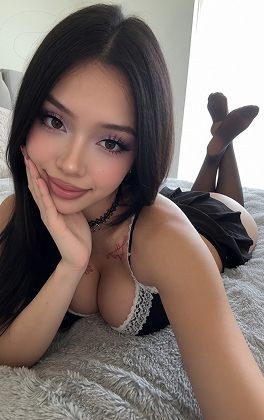
The model you select shapes how the ai generator reads your prompt, and Seedream 5 Pro is the image model configured in VideoAny for this task. Before you type a single adjective, confirm the model pick, set the aspect ratio, and understand that every generation runs against a written brief, not an uploaded source file.
01
Seedream 5 Pro is the preferred model for a written adult still because it interprets a text prompt as a complete scene instruction. When you open the text-to-image workbench, the ai generator expects a description of the subject, pose, and setting, not a reference file. The current image model configuration includes NSFW image generation, so you can write an adult brief directly. Confirm that Seedream 5 Pro is selected before you draft the prompt, and treat the model choice as the first creative decision the ai generator will follow.
02
Set the ratio to match the final frame you want, not a later crop you might apply. If the brief describes a full-body pose against a wide interior, a landscape ratio gives the ai generator room to place the figure and the background without cutting the scene at the knees. A tight portrait crop works when the prompt focuses on the face and shoulders. The ai generator fills the chosen shape, so changing the ratio after you write the brief often shifts the composition. Lock the ratio early and treat it as part of the written instruction the ai generator receives.
03
After the ai generator returns a still, compare it against the brief clause by clause. If the pose is correct but the light reads flatter than you described, add a short lighting note to the prompt instead of rewriting the whole scene. The credit cost is shown before you generate, so each adjustment is a measured step. The ai generator responds to precise edits, and a single-sentence revision often fixes the mismatch without disturbing the parts of the image that already work. Keep the original prompt open and change only the clause that failed.
The ai generator builds a still from the words you supply, so the prompt must name the subject, the setting, and the one visual fact that anchors the frame. These features cover the controls you have inside the text-to-image workbench and the limits you should respect when you compose a brief.
01
Start the scene description with a room or venue that implies a camera position. If you write a hotel lounge seen from a seated eye line, the ai generator places the subject at that height without needing a separate camera-angle instruction. An existing adult photographic reference in the gallery can suggest a spatial layout, but the ai generator reads your text, not the reference file. Name the room, the key light source, and the distance to the back wall, and the ai generator will stage the figure inside that described volume.
Use the existing adult reference to explore lighting and framing.Open the text-to-image workbench and write your first adult still.
02
Pick a single visual fact that the new still must show and state it plainly. A prompt that lists a dozen garment details often produces a cluttered image, but a brief that says the subject wears a silk robe under warm tungsten light gives the ai generator a clear anchor. The reference gallery contains existing adult photographic images that illustrate how one strong fact reads in a finished frame. Let the ai generator resolve the secondary details around that central instruction instead of over-specifying every surface.
Use the existing adult reference to explore lighting and framing.Open the text-to-image workbench and write your first adult still.
03
You do not need a source file to create the next image. The ai generator accepts a text prompt and produces a still that can sit beside an earlier frame as a narrative neighbor. If the first image shows a subject at a window, write the next prompt for the same subject turned toward the room interior, and the ai generator will render the continuation. This approach keeps a series visually coherent without uploading a reference photo, because the consistency comes from the shared vocabulary in the prompts, not from a pixel source.
Use the existing adult reference to explore lighting and framing.Open the text-to-image workbench and write your first adult still.
The same ai generator workbench supports different visual goals depending on how you structure the prompt. These scenarios show how a catalog still, a room still, and a drawn finish each ask the model to prioritize a different layer of the description.
The images in this gallery are existing adult photographic references that illustrate composition choices, not outputs from the current ai generator session. Study them to understand how crop, framing, and a single visual fact read in a finished still, then apply those observations to your own written brief.
Illustrative image-to-image template references. Not verified VideoAny text-to-image outputs from this page.
A reference image can suggest a crop without becoming the source file. Look at how an existing adult photographic reference frames the subject from the mid-thigh up, and write that same crop boundary into your prompt. The ai generator will follow the written instruction, not the reference pixels, so the resulting still matches your described frame rather than copying the reference composition. Use the gallery to test crop ideas visually, then translate the one you like into a short text clause for the ai generator.
Existing visual reference for composition and lighting; not a verified output from this page.
A lookbook frame treats the still as one page in a visual sequence. The existing adult photographic references in the gallery show how a consistent ratio and a repeated light quality tie a series together. When you write a prompt for the ai generator, carry the same ratio and the same light descriptor across multiple generations, and the model will produce frames that read as a coherent set. The gallery images are illustrative references that demonstrate the principle, not outputs you must replicate.
Existing visual reference for composition and lighting; not a verified output from this page.
A one-fact board isolates the single visual instruction that carries the image. Pick an existing adult photographic reference from the gallery and identify the one fact that defines it, such as a rim light or a specific garment texture. Write that fact into your prompt as the anchor, and let the ai generator build the rest of the still around it. The reference images are not generator outputs, but they show how a single strong instruction reads in a finished frame and help you edit your brief down to its essential clause.
Existing visual reference for composition and lighting; not a verified output from this page.
The ai generator follows the order and the weight of your words, so prompt structure matters as much as vocabulary. These tips help you write briefs that produce a still matching your intent on the first or second generation.
01
Place the subject description at the start of the prompt so the ai generator treats the figure as the primary element. A brief that begins with the room often produces a still where the space dominates and the subject reads as an afterthought. Write the adult subject, the pose, and the clothing first, then add the room and the light. The ai generator weights early words more heavily, so leading with the figure keeps the composition centered on the person you described.
02
A prompt that stacks ten adjectives before the noun forces the ai generator to negotiate conflicting instructions. Pick two or three descriptors that define the look and omit the rest. If the brief says the subject wears a dark tailored jacket, the model has a clear target. Adding glossy, textured, structured, and fitted dilutes the signal. The ai generator produces a more accurate still when the prompt is lean, so edit your adjective list down to the words that would survive a one-sentence summary.
03
Do not compare the ai generator output to a template still or a reference image you did not describe. Open your prompt and check the generated frame clause by clause. If the brief asked for a seated pose and the figure is standing, revise only the pose instruction and generate again. The credit cost is shown before each generation, so a targeted edit is cheaper than rewriting the whole prompt. Treat the brief as the inspection checklist, and the ai generator will converge on the still you described.
Creator workflow notes
Working habits for a prompt-only adult still, not user reviews
These notes describe common ways to run a text-to-image pass on this this image workspace desk. They are not user reviews, ratings, or promises about a specific result. The pictures around them are image-to-image template stills, not this page's generation proof.
Subject rewrite
Prompt workflow
Name one clearly adult subject, pose, and crop. If a second person appears, the brief was too broad.
Look rewrite
Clothes and light workflow
Keep the subject list short. Change only the garment color, room, or light direction. Inspect hands and floor contact against the brief.
Finish rewrite
Illustration workflow
Keep pose and staging in the written list. Name the finish in one clause. Check hands, eyes, and lettering before you accept the plate.
These answers cover the input requirements, the model selection, and the evaluation steps for the ai generator workbench. Each response is based on the supplied product facts for the current text-to-image configuration.
The ai generator workbench accepts a text prompt and does not require an uploaded reference photo. You can compose a still entirely from words, and the model will render the scene you describe. The reference gallery contains existing adult photographic images that are illustrative references, not outputs from this page, so you can study them for composition ideas without dragging a file into the workspace. If you later want to revise an existing image, the image-to-image workbench with reference image input is available as a separate tool.
No. The text-to-image workbench accepts a text prompt and does not require a reference photo. You can describe the subject, pose, and scene in words, and Seedream 5 Pro will generate the still from that written brief. The existing collection images on this page are illustrative references, not inputs you must upload.
Seedream 5 Pro is the image model configured in VideoAny for this task. It is the preferred model for a written adult still, and the current image model configuration includes NSFW image generation. Confirm that Seedream 5 Pro is selected before you write your prompt.
Evaluate the ai generator output against the written brief, not against a reference image you did not describe. Open your prompt and check each clause: subject, pose, crop, light, and setting. If one clause failed, edit only that clause and generate again. The credit cost is shown before you generate, so a single-sentence revision is a measured step. The ai generator responds to precise edits, and a still that matches every clause in your brief is close enough to use or to move into the next tool.
The current image model configuration includes NSFW image generation, which means adult prompts are supported. The credit cost is shown before you generate, and you can review the result against your brief. If the output does not match your description, adjust the prompt and generate again.
This page uses text-to-image with a text prompt, so you compose a still from words alone. The image-to-image workbench with reference image input is a separate tool that lets you supply a source file and a revision instruction. Both are available in VideoAny, and the credit cost is shown before you generate on either workbench.
The credit cost for each generation is displayed before you run the ai generator, so you can plan a budget for retries. If you have an existing photo that should constrain the next still, switch to the image-to-image workbench with reference image input instead of trying to describe the source file in a text prompt. The ai generator is designed for text-to-image composition, and using the right tool for the task keeps your credit spend predictable.
The credit cost is shown before you generate on both the text-to-image and image-to-image workbenches. The cost may differ between the two tools, so check the displayed credit amount before you run a generation and choose the workbench that matches your input type.
Use the image-to-image workbench with reference image input. Upload your existing photo and write a revision instruction, and the tool will produce a new still that follows the source file. The text-to-image ai generator works from a written prompt alone and does not accept a reference image as a constraint.
Follow these steps to open the text-to-image workbench, configure the model, write a prompt, and inspect the result. Each step uses only the controls available in the current workspace.
Open a blank prompt and write the adult subject first. Name the figure, the pose, and the crop boundary in the opening sentence, then add the room and the light. The ai generator reads the prompt in order, so placing the subject at the start centers the composition. Keep the description to a few sentences that cover the figure, the space, and one visual anchor. The reference gallery contains existing adult photographic images that show how a concise brief reads in a finished still, but the ai generator will render your words, not the reference.
Select Seedream 5 Pro from the model picker, choose the aspect ratio that matches your described frame, and confirm the resolution. The credit cost is shown before you generate, so review the number and decide whether the settings fit your budget. The ai generator will use these parameters to produce the still, and changing the ratio or the model after you write the prompt often shifts the composition. Lock the settings early and treat them as part of the generation instruction.
When the ai generator returns a still, open your prompt beside the image and check each clause. If the pose is correct but the light is cooler than you described, add a short color-temperature note and generate again. Do not rewrite the whole prompt. The credit cost is shown before each generation, so a targeted edit keeps the session efficient. Repeat the inspect-and-adjust loop until the still matches every clause in your brief, then save the result or move it into the next tool.
Before you generate a full series, freeze the brief, cap the retry budget, and define the fidelity standard you will inspect against. These preparation steps turn the ai generator from an experiment into a repeatable production tool.
Write the final version of your prompt and save it as the subject-and-look template, not as a mood description. A frozen brief that says the subject wears a black evening dress under warm chandelier light gives the ai generator a repeatable instruction. A mood brief that says elegant and dramatic leaves too much room for variation across a series. Lock the concrete nouns and the light source, and the ai generator will produce consistent stills when you change only the pose or the camera angle.
Decide how many generations you will spend on a single brief before you move on. The credit cost is shown before you generate, so multiply that number by your retry cap to set a session budget. If the ai generator has not produced a matching still within your cap, revise the brief itself rather than continuing to generate. A prompt that fails after five targeted edits usually has a structural problem, and rewriting one clause is more cost-effective than burning credits on the same flawed instruction.
Define the inspection standard before the ai generator returns the first still. A fidelity bar might be the subject pose matches the brief, the light direction is correct, and the crop includes the described frame. Write that checklist down and use it for every generation. The reference gallery contains existing adult photographic images that can help you calibrate your expectations, but the inspection bar should reference your written brief, not a reference image. A clear checklist keeps the evaluation fast and the retries focused.
VideoAny AI
Open the text-to-image workbench and write your first adult still.
Before you generate a full series, freeze the brief, cap the retry budget, and define the fidelity standard you will inspect against. These preparation steps turn the ai generator from an experiment into a repeatable production tool.
This website is an independent third-party platform. We are not affiliated with, endorsed by, or officially representing any AI model providers referenced on this site. All trademarks and brand names belong to their respective owners.
© 2026 VideoAny. All rights reserved. ACKERMAN TECH SOLUTIONS LLC