Existing adult photographic reference
 VideoAny
VideoAny AI
The ai body generator inside VideoAny turns a written description into a new adult still. You type the subject, pose, and scene, select Seedream 5 Pro, and review the credit cost before you generate. Every result starts from your text prompt, so the ai body generator gives you direct control over the composition without requiring a reference upload.
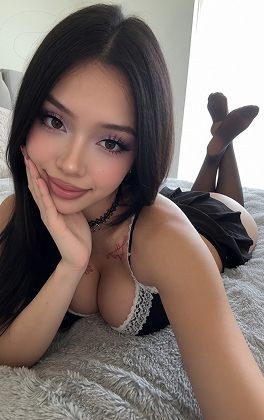
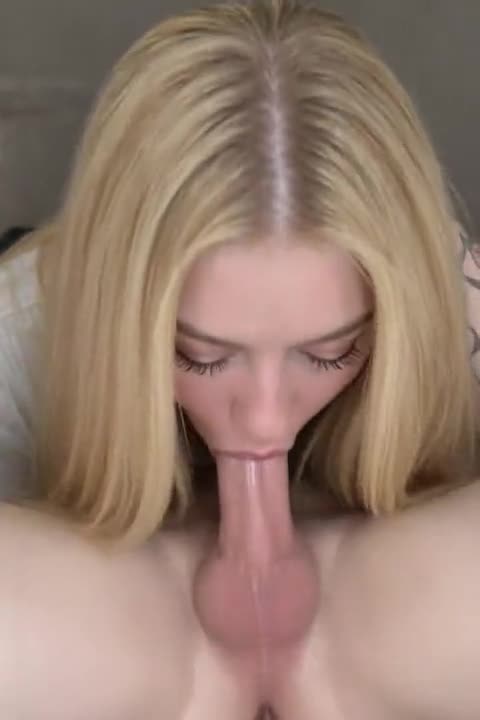
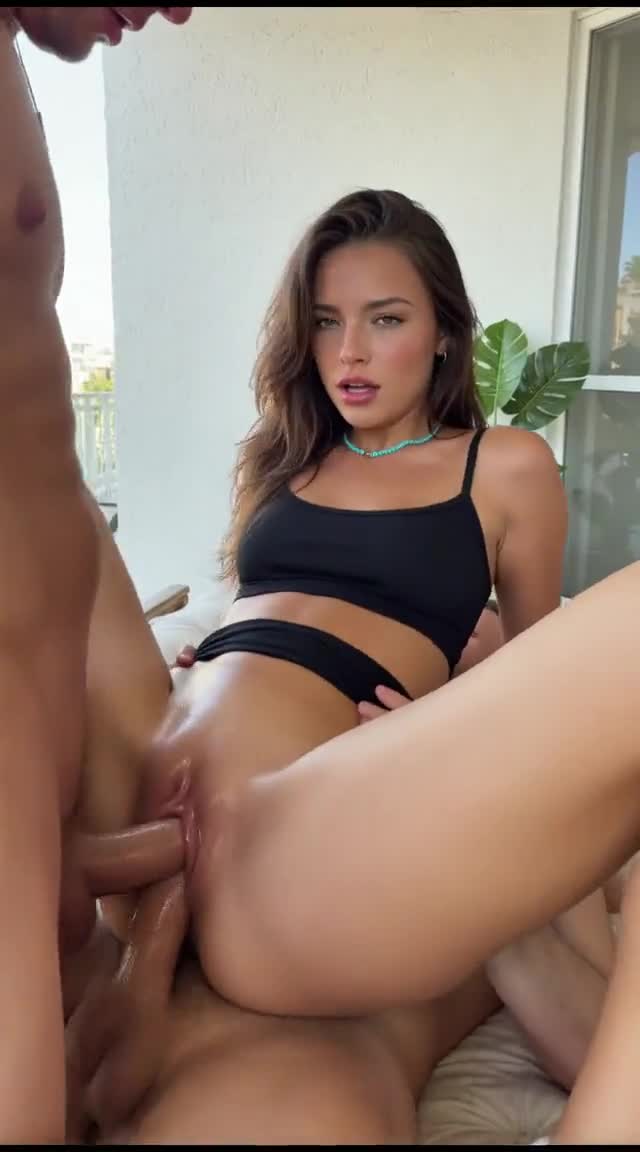
The workbench is built around a text prompt and a configured image model. Choosing the right combination before you generate keeps the credit cost predictable and the result close to your written brief.
01
Seedream 5 Pro is the image model configured for the ai body generator workspace. It reads your text prompt and produces an adult still that follows the subject, clothing, and setting you describe. Because the ai body generator relies on a written brief, you can skip the reference upload and go straight to composing the scene. The credit cost is shown before you generate, so you always know the spend ahead of time.
02
Set the ratio to fit the composition you have in mind, not a later crop. A full-length pose needs a vertical frame, while a close crop on the torso works better in a square or horizontal layout. The ai body generator respects the ratio you choose, so aligning it with your written brief early keeps the output usable. When the ai body generator renders a wide scene, a mismatched ratio can cut the subject you described.
03
After the ai body generator produces a still, inspect it against the brief you wrote. If the pose reads correctly but the light feels off, adjust only the lighting clause and generate again. The ai body generator lets you iterate on a single sentence without rewriting the whole prompt. Each adjustment teaches you which words the model weights most, so the next still lands closer to the look you want.
The text-to-image workbench gives you a prompt field, a model selector, and a credit readout. Understanding how each control interacts with your written brief helps you get a usable still in fewer attempts.
01
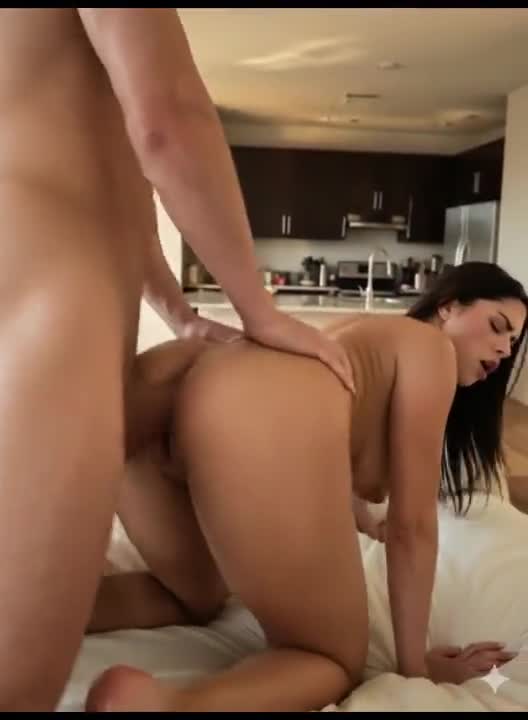
Existing adult photographic references show that a room description works best when you name the camera height in the same sentence. Write “eye-level shot of a seated figure against a dark velvet backdrop” instead of listing the room separately. The ai body generator reads the camera position as part of the scene, so the perspective stays consistent. When the ai body generator receives a floating room description without a viewpoint, the result can feel disconnected from the subject.
Use the existing adult reference to explore lighting and framing.Open the text-to-image workbench and write your first brief.
02
Pick a single visual fact and make it the anchor of your prompt. A sentence like “the only light source is a warm practical lamp to the left” gives the ai body generator a clear constraint to follow. The ai body generator performs better when you commit to one strong direction instead of layering multiple competing instructions. Existing adult photographic references confirm that a focused brief produces a more coherent still than a long list of adjectives.
Use the existing adult reference to explore lighting and framing.Open the text-to-image workbench and write your first brief.
03
You can write a second prompt that shares the same subject and setting but shifts the pose or crop. The ai body generator does not need a source file to create a matching frame; it only needs a consistent character description across both prompts. This approach lets you build a small set of related stills from text alone. The ai body generator treats each prompt independently, so the continuity comes from how you write the subject.
Use the existing adult reference to explore lighting and framing.Open the text-to-image workbench and write your first brief.
The same text-to-image workbench supports different creative goals. Whether you need a catalog-style frame, an environmental portrait, or a drawn finish, the prompt structure changes while the model stays the same.
The reference gallery contains existing adult photographic images that illustrate composition choices. These are not outputs from the current page, but they show how framing, light, and subject placement affect a still.
Illustrative image-to-image template references. Not verified VideoAny text-to-image outputs from this page.
Look at how the reference still crops the figure and decide whether your prompt needs the same framing. If the reference shows a mid-thigh crop with the eyes on the upper third, write that crop into your brief. The ai body generator does not see the reference image, so you must translate the crop into words. When the ai body generator receives a clear framing instruction, the result matches the intended composition more reliably.
Existing visual reference for composition and lighting; not a verified output from this page.
A lookbook frame prioritizes the outfit and posture over the environment. Study the reference for how much space the subject occupies and write a prompt that matches that proportion. The ai body generator will fill the frame according to your subject-to-background ratio, so a prompt that says “full-length figure fills 80 percent of the frame” gives you a lookbook-style result. The ai body generator reads proportion words as spatial instructions.
Existing visual reference for composition and lighting; not a verified output from this page.
Pick a single fact from a reference still—the key light direction, the color temperature, or the subject’s posture—and build your prompt around that one fact. The ai body generator does not need the full reference; it needs the one decision you want to carry over. When the ai body generator receives a prompt anchored by a single strong fact, the output feels intentional rather than generic.
Existing visual reference for composition and lighting; not a verified output from this page.
The way you structure your text prompt directly shapes the output.
01
Start every prompt with the subject: age, build, pose, and the one clothing fact that matters. Place the room, light, and mood words after the subject clause. The ai body generator weights early words more heavily, so leading with the figure keeps the person correct. When the ai body generator reads a prompt that opens with atmosphere, the subject can drift away from your intention.
02
Choose two or three descriptive words for the subject’s appearance and stop there. A prompt that lists eight adjectives gives the ai body generator conflicting signals, and the result often satisfies none of them. The ai body generator performs best with a tight, specific brief where every word earns its place. Existing adult photographic references confirm that a short, deliberate prompt produces a more readable still than an exhaustive description.
03
When you review the ai body generator output, open your prompt and check each clause. Did the pose match? Is the light direction correct? Judge the still against the words you wrote, not against a reference image the model never saw. The ai body generator can only deliver what your prompt describes, so a mismatch usually means the brief needs a sharper clause, not that the model failed.
Creator workflow notes
Working habits for a prompt-only adult still, not user reviews
These notes describe common ways to run a text-to-image pass on this this image workspace desk. They are not user reviews, ratings, or promises about a specific result. The pictures around them are image-to-image template stills, not this page's generation proof.
Subject rewrite
Prompt workflow
Name one clearly adult subject, pose, and crop. If a second person appears, the brief was too broad.
Look rewrite
Clothes and light workflow
Keep the subject list short. Change only the garment color, room, or light direction. Inspect hands and floor contact against the brief.
Finish rewrite
Illustration workflow
Keep pose and staging in the written list. Name the finish in one clause. Check hands, eyes, and lettering before you accept the plate.
These answers cover the most common questions about the text-to-image workbench, its inputs, and how to evaluate the results.
The text-to-image workbench is designed for prompts, not reference photos. You do not need to upload an image to use the ai body generator; the model builds the still from your written description. If you want to revise an existing photo, switch to the image-to-image workbench, which accepts a reference image input alongside your text prompt. The credit cost is shown before you generate in both workspaces.
No. The ai body generator workbench uses a text prompt only. Seedream 5 Pro reads your written description and produces a new adult still. If you want to start from an existing photo, use the image-to-image workbench instead.
Seedream 5 Pro is the configured image model for this workspace. It is selected by default when you open the text-to-image workbench.
Evaluate the ai body generator output by comparing it to the clauses in your prompt, not to an external reference. If the pose, light, and subject match your written brief, the result is successful. The ai body generator cannot read your intentions beyond the words you typed, so a mismatch usually points to a prompt clause that needs rewriting. Adjust only the clause that failed and generate again.
The current image model configuration includes NSFW image generation. The ai body generator processes adult prompts. The credit cost is shown before you generate, so you can review the spend before committing.
The ai body generator is a text-to-image tool that creates a new still from a written prompt. The image editor uses an uploaded reference photo as a starting point. Choose the ai body generator when you want to invent a still from words; choose the editor when you need to revise an existing image.
The credit cost for each generation is displayed before you run the ai body generator. There is no hidden spend, and you can review the cost against your remaining balance. The ai body generator produces one still per generation, so plan your prompt iterations around the credit readout. If you need a batch of related frames, write a plan still first and use it as the subject anchor for the remaining prompts.
The ai body generator text-to-image workbench and the image-to-image workbench may have different credit costs. The cost is shown before you generate in each workspace, so you can compare before you start.
Switch to the image-to-image workbench. That tool accepts a reference image input and uses it alongside your text prompt. The ai body generator text-to-image workbench does not use reference uploads, so the image-to-image workspace is the right choice when you need to build from an existing photo.
Follow these steps to move from a blank prompt field to a finished adult still. Each step uses the controls available in the text-to-image workbench.
Open the ai body generator and type a prompt that starts with the adult subject. Describe the figure first, then add the pose, the crop, and the scene in that order. A prompt like “athletic woman in her thirties, standing with weight on the back foot, mid-thigh crop, against a concrete wall with afternoon light” gives the ai body generator a complete brief in one sentence. The ai body generator reads the sequence as a priority stack, so the subject stays correct while the scene fills in around it.
Confirm that Seedream 5 Pro is selected as the image model. Choose the aspect ratio that matches your described crop, and set the resolution. The ai body generator displays the credit cost before you generate, so review the number and decide whether to proceed. If the cost fits your budget, generate the still. The ai body generator uses the model, ratio, and resolution you set to produce the output.
When the ai body generator returns a still, open your prompt and check each clause. If the pose is right but the light feels off, edit only the light clause and generate again. Do not rewrite the whole prompt. The ai body generator responds to targeted edits more predictably than to full rewrites, so you can dial in the result clause by clause. Each iteration costs credits, and the cost is shown before you generate.
Before you close the workbench, freeze your best prompt, set a retry budget, and define the fidelity bar you will use to judge the next still. These habits make each session faster.
Save your best prompt as a subject-and-look block: the figure description plus the one clothing or light fact that worked. Do not save the mood words, because they are harder to replicate across sessions. The ai body generator reads concrete nouns and poses more consistently than atmospheric adjectives, so a frozen subject block gives you a reliable starting point. When you return to the ai body generator, paste the block and write a new scene around it.
Decide how many credits you will spend iterating on a single prompt before you move on. The ai body generator shows the cost before each generation, so you can track your spend against the cap. If you hit the limit without a usable still, save the best result and start a fresh brief. The ai body generator rewards fresh prompts more than endless tweaks to a broken one.
Define what “close enough” means for your next session: the pose must match, the light direction must be correct, and the subject must read as described. The ai body generator output does not need to be perfect on the first try; it needs to pass the bar you set. When the ai body generator produces a still that clears your fidelity bar, stop iterating and move to the next frame or tool.
VideoAny AI
Open the text-to-image workbench and write your first brief.
Before you close the workbench, freeze your best prompt, set a retry budget, and define the fidelity bar you will use to judge the next still. These habits make each session faster.
This website is an independent third-party platform. We are not affiliated with, endorsed by, or officially representing any AI model providers referenced on this site. All trademarks and brand names belong to their respective owners.
© 2026 VideoAny. All rights reserved. ACKERMAN TECH SOLUTIONS LLC