Existing adult photographic reference
 VideoAny
VideoAny AI
An ai art generator for explicit stills turns a written description into a finished adult photograph. The VideoAny workbench accepts a text prompt and renders the scene through Seedream 5 Pro, so you control the subject, pose, and setting without uploading a reference image. Every generation shows its credit cost before you commit, and the current image model configuration includes NSFW image generation. This page focuses on text-to-image composition: write one clearly adult subject, choose the aspect ratio that matches the still you are describing, and inspect the result against your brief.
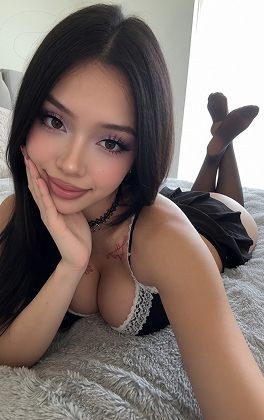
Model selection and input controls determine how the workbench interprets your written brief. The following items keep Seedream 5 Pro as the preferred model, match the aspect ratio to the still you are describing, and review the result against the prompt.
01
Seedream 5 Pro is the image model configured in VideoAny for this task, and it stays selected when you open the text-to-image workbench. An ai art generator for explicit stills relies on a single text prompt, so the model reads your subject, pose, and scene directly from words. Before you generate, confirm that Seedream 5 Pro is active; the credit cost appears on screen and lets you decide whether to proceed. The current image model configuration includes NSFW image generation, so you can describe adult subjects without switching tools.
02
Set the aspect ratio before you write the prompt, because the frame shape changes how the composition reads. An ai art generator for explicit scenes benefits from a ratio that fits the pose: a seated figure may need a wider crop, while a standing full-body shot often works better in a taller frame. The workbench shows the ratio options next to the model selector, and you can preview the credit cost for each choice. Pick the shape that matches the still you are describing, not a later crop you might apply.
03
After the first generation, inspect the still against your written brief. If the pose or lighting misses a clause, adjust only that part of the prompt and run it again. An ai art generator for explicit output improves when you treat each attempt as a single-variable edit: change the clothing color, tighten the crop, or add a light source without rewriting the whole scene. The credit cost updates with every new prompt, so you can budget your retries around the specific detail that needs correction.
The workbench supports text-to-image generation with a focused set of controls. These items cover how to describe a venue, state a single visual fact, and invent a neighboring still from words.
01
When you write the scene, include the camera height in the brief. An ai art generator for explicit stills reads a phrase like "eye-level shot in a dim hotel lounge" and places the viewer at that height, which keeps the composition intentional. Existing adult photographic references in the gallery illustrate how a consistent camera position anchors the subject. Describe the room after you name the adult subject, and keep the venue details short so the model focuses on the figure first.
Use the existing adult reference to explore lighting and framing.Open the text-to-image workbench and write your first adult still.
02
Limit the prompt to one clear visual fact beyond the subject. An ai art generator for explicit output stays coherent when you write "red silk robe" or "warm tungsten key light" instead of listing every garment and gel. The existing adult photographic references in the collection show how a single palette choice carries the mood. After the generation, check whether that one fact reads clearly; if it does, the still is ready to review against the rest of the brief.
Use the existing adult reference to explore lighting and framing.Open the text-to-image workbench and write your first adult still.
03
The text-to-image workbench does not require an upload, so you can write a new still that sits next to an earlier generation in a sequence. An ai art generator for explicit scenes lets you describe a second pose in the same room by changing only the body position and keeping the venue clause identical. This approach builds a consistent lookbook without reference images. Write the new prompt from scratch, using the same camera height and light fact, then compare the two results side by side.
Use the existing adult reference to explore lighting and framing.Open the text-to-image workbench and write your first adult still.
Different visual goals need different prompt structures. These scenarios cover a catalog still, a room still, and a drawn finish, each built from the same text-to-image workbench.
The gallery contains existing adult photographic images that illustrate creative decisions. These items cover a reference-guided crop, a lookbook frame, and a one-fact board.
Illustrative image-to-image template references. Not verified VideoAny text-to-image outputs from this page.
Look at how the existing adult photographic references fill their frames. An ai art generator for explicit crop decision starts with the ratio you set in the workbench: a tight head-and-shoulders frame needs a different prompt than a full-length shot. Study the reference visuals to see where the subject sits in the composition, then write your prompt to place the figure in a similar position. The gallery images are illustrative references, not outputs from this page.
Existing visual reference for composition and lighting; not a verified output from this page.
A lookbook sequence uses two prompts with the same subject and venue but different poses. An ai art generator for explicit lookbook frame relies on consistent wording: repeat the subject description and room clause, then change only the body position. The existing adult photographic references show how a single figure can carry multiple stills when the light and camera height stay fixed. Write the second prompt immediately after the first so the clauses match.
Existing visual reference for composition and lighting; not a verified output from this page.
Build a prompt around one fact, such as "leather jacket" or "backlight," and generate a still that isolates that choice. An ai art generator for explicit one-fact board helps you decide whether that element works before you add more detail. The existing adult photographic references in the collection demonstrate how a single strong visual cue can define a frame. After the generation, note whether the fact reads clearly, then add the next clause.
Existing visual reference for composition and lighting; not a verified output from this page.
Prompt composition and visual refinement determine whether the result matches your brief. These tips cover writing the subject first, keeping the look list short, and inspecting against the written brief.
01
Start every prompt with the subject: age, build, hair, and one distinguishing feature. An ai art generator for explicit still reads the first noun phrase as the focal point, so place the figure at the front of the sentence. After the subject, add the pose, then the venue, and finally the light or palette fact. This order keeps the model anchored on the person, and you can adjust the room clause later without rewriting the whole prompt.
02
Resist the urge to stack five clothing adjectives and three light sources. An ai art generator for explicit prompt works better with one garment, one light direction, and one color note. When you pile on descriptors, the model averages them and loses the specific look you wanted. Write the shortest list that still names the essential visual fact, then generate. You can always add a second detail in the next attempt if the first one reads clearly.
03
Open your prompt next to the generated still and check each clause. An ai art generator for explicit output should match the words you wrote, not a reference image you had in mind. If the pose is correct but the light is wrong, edit only the light clause and run it again. Comparing against a template still from another session introduces variables that are not in your brief, so stick to the text you actually submitted.
Creator workflow notes
Working habits for a prompt-only adult still, not user reviews
These notes describe common ways to run a text-to-image pass on this this image workspace desk. They are not user reviews, ratings, or promises about a specific result. The pictures around them are image-to-image template stills, not this page's generation proof.
Subject rewrite
Prompt workflow
Name one clearly adult subject, pose, and crop. If a second person appears, the brief was too broad.
Look rewrite
Clothes and light workflow
Keep the subject list short. Change only the garment color, room, or light direction. Inspect hands and floor contact against the brief.
Finish rewrite
Illustration workflow
Keep pose and staging in the written list. Name the finish in one clause. Check hands, eyes, and lettering before you accept the plate.
These answers cover input requirements, result evaluation, and credit costs. Each FAQ item addresses a common decision point when using the text-to-image workspace.
The text-to-image workbench accepts a written prompt and does not require an upload. An ai art generator for explicit still is built entirely from your words, so you do not need to provide a reference photo on this workspace. If you want to use an existing image as a constraint, switch to the image-to-image workbench instead. The credit cost is shown before you generate, and the current image model configuration includes NSFW image generation.
No. This page uses text-to-image with a text prompt, so you write the description and the workbench generates the still from your words. If you want to use a reference photo, switch to the image-to-image workbench, which accepts reference image input.
Seedream 5 Pro is the image model configured in VideoAny for this task. It stays selected when you open the text-to-image workspace, and the credit cost appears on screen before you generate.
Compare the generated still to your written prompt clause by clause. An ai art generator for explicit output should match the subject, pose, venue, and light fact you specified. If one element is off, edit only that clause and run the generation again. The existing adult photographic references in the gallery are illustrative, not a quality benchmark for your specific brief.
The current image model configuration includes NSFW image generation, which means adult subjects are supported. The credit cost is shown before you generate, and you can review each result against your written brief.
This page uses text-to-image with a text prompt and does not accept uploads. The image-to-image workbench accepts reference image input and lets you rewrite an existing photo. Both show the credit cost before generation.
Every generation shows its credit cost before you commit, so you can budget your attempts. An ai art generator for explicit session works best when you cap the number of retries per brief and move on once the essential clauses read correctly. If you already have a photo that should constrain the next still, switch to the image-to-image workbench.
The credit cost is shown before you generate in both the text-to-image and image-to-image workbenches. Check the displayed cost for each tool before you run the generation.
Switch to the image-to-image workbench, which accepts reference image input. This text-to-image page does not accept uploads, so an existing photo cannot constrain the output here.
Follow these steps to write a prompt, set the controls, and inspect the result. Each item covers one stage of the text-to-image workflow.
Open the text-to-image workbench and type a prompt that starts with the adult subject. An ai art generator for explicit still needs a specific figure: name the age, build, and one distinguishing feature. After the subject, add the pose, then the aspect ratio crop you want, and finally the room or backdrop. Keep the sentence order consistent so the model reads the figure first. The credit cost updates as you type, and you can revise the prompt before generating.
Confirm that Seedream 5 Pro is selected as the image model. An ai art generator for explicit output depends on the model reading your prompt, so check the selector before you generate. Choose the aspect ratio that matches the still you are describing, then review the credit cost displayed on screen. The current image model configuration includes NSFW image generation, so adult subjects are supported without additional settings.
After generation, place the still next to your written prompt. An ai art generator for explicit result should match each clause: subject, pose, venue, and light fact. If the pose is correct but the light direction is wrong, edit only the light clause and run the generation again. Avoid rewriting the whole prompt; single-variable edits keep the other elements stable and save credits.
Before you close the workbench, freeze the brief, cap the budget, and set the fidelity bar for your next inspection. These items help you return to the task with a clear plan.
Write down the exact prompt that produced your approved still, including the subject, pose, venue, and light fact. An ai art generator for explicit session benefits from a frozen brief because you can reuse the same clauses in a future sitting. Avoid saving a mood word like "sensual" or "dark" without the concrete visual facts; the model needs the specific subject and light direction to repeat the result.
Decide how many additional generations you will run on the same prompt before moving to the next still. An ai art generator for explicit workflow stays efficient when you set a retry limit: three attempts per brief is often enough to fix a light or pose clause. The credit cost appears before each generation, so you can track your spending against the cap you set.
Define which clauses must be correct for the still to pass. An ai art generator for explicit output needs a clear pass/fail rule: the subject must match, the pose must be the one you wrote, and the light direction must read. If those three clauses are correct, accept the still and move to the next shot. Holding out for a perfect render of every adjective pile slows the session and burns credits.
VideoAny AI
Open the text-to-image workbench and write your first adult still.
Before you close the workbench, freeze the brief, cap the budget, and set the fidelity bar for your next inspection. These items help you return to the task with a clear plan.
This website is an independent third-party platform. We are not affiliated with, endorsed by, or officially representing any AI model providers referenced on this site. All trademarks and brand names belong to their respective owners.
© 2026 VideoAny. All rights reserved. ACKERMAN TECH SOLUTIONS LLC